
Rudraksha (Elaeocarpus ganitrus) is a plant that is highly revered and has been found out to be of therapeutic and spiritual value. Traditionally used as the King of Herbal Medicines in use in systems of medicine like Ayurveda, Siddha and Unani systems of medicine, it has been used both prophylactically and as a treatment. As per the mythology of the Hindus, this origin dates back to the Lord Shiva when his tears gave it more spiritual value. Through centuries Rudraksha beads have been attracting the attention of sages, scientists, and medical workers because of the vast quantity of medicinal effectiveness. Conventionally they have been used to treat conditions such as asthma, diabetes, high blood pressure, neurological diseases and sexual disorders. Pharmacological benefits of rudraksha use in form of wearing are reported to minimize anxiety, depression, insomnia, palpitation, rheumatism etc. Studies based on rudraksha reveal that it has antidepressant, antidiabetic, anti-asthmatic, antibacterial, and antiulcerigenic influence. Such advantages are attributed to its diverse phytochemical content, whereby it has been found to contain flavonoids, alkaloids, saponins, cardiac glycosides, steroids, carbohydrates and fixed oils. Quite ethno-medically important in first place and appearing mostly in Himalaya foothills, a large deciduous Rudraksha tree. The present review summarizes the recent scientific evidence on its botanical attributes, biochemical composition and effect on pharmacology and discusses the need of further clinical and pharmacological trials to improve knowledge and corroborate the therapeutic potential.
Introduction
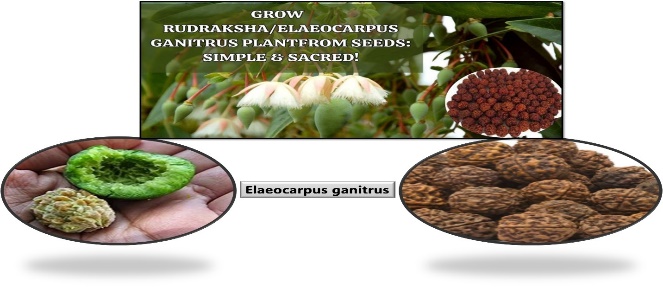
One of the most significant herbal plants used in indigenous medical systems such as Ayurveda, Siddha, and Unani is Elaeocarpus ganitrus (Figure 1), also known as Rudraksha in Sanskrit and rudraki in Hindi. Rudraksha, often known as a bead or nut, is the hard, stony endocarp found in the ripe fruit of the E. ganitrus plant (Chopra et al., 1956; Maheshwari et al., 2023; Khodape et al., 2024). Rudraksha is regarded as the King of natural remedies and has therapeutic, religious, and spiritual significance.
|
|
|
Figure 1. Shows Rudraksha/ Elaeocarpus sp. Traditional plant with many medicinal applications |
Elaeocarpus is one of the major genera in medicine traditional systems of Ayurveda, Siddha, and Unani and includes such species as E. ganitrus and E. sylvestris (Ogundele & Das, 2019). Olive refers to the name of the genus which is a combination of the Greek words meaning olive and fruit because that is what they give rise to- olive-like drupes (Manu et al., 2013). In this review, focus is made on recorded species of Elaeocarpus especially E. ganitrus (Rudraksha) and E. sylvestris. Rudraksha beads have been observed to have pharmacological activity against many diseases such as stress, anxiety, depression, palpitations, nerve pains, epilepsy, migraine, loss of concentration, asthma, hypertension, diabetes, arthritis and conditions related to the liver (Jain et al., 2014). The therapeutic effects also vary according to the type and pattern of mukhies (Dadhich et al., 2014; Sharma et al., 2015; Tripathy et al., 2016a, 2016b; Tilak et al., 2017).
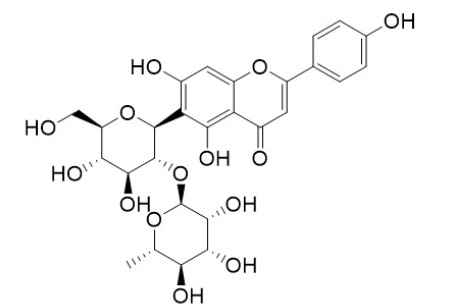
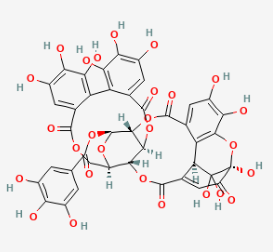
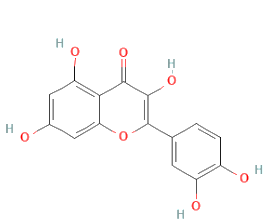
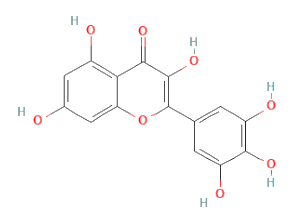
Recent researches confirm these conventional statements and provide additional details. Kaushik et al. (2023) demonstrate that E. ganitrus can have antioxidant, anti-inflammatory, neuoprotective, anticancer, hepaprotective, and immunomodulatory effects. Maheshwari et al. (2023) go further to record its potential phytochemical constituent isoelaeocarpine, elaeocarpine, quercetin, gallic and ellagic acids and rudrakine as well as recording its dielectric and hypoglycemic activities along with analgesic, antimicrobial, and anti-ulcerogenic properties. It finds involvement in neurological and cardiovascular disorders as Yadav (2023) incorporates traditional mukhi-based remedies that relate to the equalisation of vata-dosha in the case of anxiety, hypertension, asthma, and depression, as well as insomnia and rheumatism. A comparison list created by Sudrajat (2022) pinpoints the relationship between the interactions of delta-opioid receptors, enzyme inhibition, and the antiviral, anticancer, and CNS-selective effects of alkaloids and phenolics of Elaeocarpus (Table 1).
Table 1. Pharmacological Activities of Elaeocarpus Alkaloids and Phenolics
|
Pharmacological Activity |
Phytochemical Class |
Target/Mechanism |
Primary Species Studied |
Reference |
|
Opioid Receptor Modulation |
Alkaloids (e.g., Rudrakine) |
Delta-opioid receptor binding |
E. ganitrus |
Sudrajat (2022) |
|
CNS Activity / Neuroprotection |
Phenolics, Flavonoids |
MAO inhibition, GABA modulation, antioxidant defense |
E. ganitrus, E. sylvestris |
Sudrajat (2022), Yadav (2023) |
|
Antiviral |
Tannins, Ellagic acid |
Viral entry inhibition, immune modulation |
E. sylvestris |
Sudrajat (2022), Park et al. (2008) |
|
Anticancer |
Ellagic acid, Flavonoids |
STAT3 inhibition, apoptosis induction |
E. ganitrus |
Mehnaj et al. (2024) |
|
Enzyme Inhibition |
Alkaloids, Flavonoids |
Acetylcholinesterase, tyrosinase, α-amylase |
E. ganitrus, E. serratus |
Sudrajat (2022) |
|
Anti-inflammatory |
Saponins, Sterols |
COX pathway modulation, cytokine suppression |
E. ganitrus |
Maheshwari et al. (2023) |
|
Antioxidant |
Gallic acid, Quercetin |
Free radical scavenging (DPPH, ABTS) |
E. ganitrus, E. sylvestris |
Singh et al. (2024) |
|
Radioprotective |
Polyphenols |
Hematopoietic protection, antioxidant enhancement |
E. sylvestris |
Park et al. (2008) |
Rudraksha is a dried herbal fruit that originates in the Himalayan foothills. It is regarded as the most sacred and spiritual plant in the Indian medicinal system, with significant medicinal value as a curative and preventive agent (Asolkar, 1992). E. ganitrus has a special place in Hinduism, as documented in ancient literature such as the Shiv Puran, Devi Bhagwat Puran, Padmapurna, and Ayurveda (Rashmi & Kaur, 2014; Zeenath Banu et al., 2024). The name Elaeocarpus combines the Greek words Elai and Carpus, where Elai means 'wild olive' and Carpus means 'fruit. Elaeocarpus refers to the seeds of wild olive-like trees (Pant et al., 2013; Khodape et al., 2024). This plant's fruits or beads are used in daily worship to count prayers and have a variety of magical abilities. In Hindu culture, it is also used to make necklaces and bracelets (Botelho et al., 2023; Bulusu et al., 2023; Hussien et al., 2023). The Rudraksha plant has traditionally been used to treat ailments such as stress, anxiety, palpitation, depression, nerve pain, migraine, insomnia, acne, ringworm, epilepsy, asthma, loss of concentration, arthritis, hypertension, and liver disease (Swami, 2010; Awan, 2012; Joshi & Jain, 2014). According to Ayurvedic medicine, Rudraksha can treat ailments such as hypertension, asthma, anxiety, diabetes, and gynecological and neurological issues (Lal, 2013). Elaeocarpus ganitrus, a traditional medicinal herb, has a long history of use in therapeutic science. Rudraksha is a conjugation word associated with Lord Shiva from Hindu mythology. Rudraksha holds great significance in ancient Indian literature. "Rudra" translates to "Shiva", and "Aksh" means "Eyes". Rudraksha, which translates to "Lord Rudra's eyes," is formed by combining these two terms.
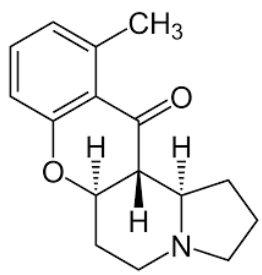
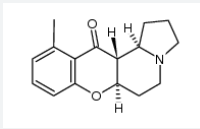
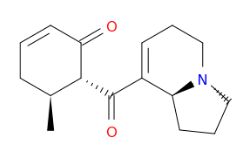
Rudraksha comes from the fruit stone of the Elaeocarpus ganitrus plant (Rudraksha tree). When the plant's blue-colored fruit pulp is removed, the Rudraksha bead emerges. The Rudraksha bead has a rough, bumpy feel and is separated from the segment by a ridge that runs from top to bottom. The ridges are known as Rudraksha faces (Singh et al., 2010; Singh & Singh, 2020; Aryal, 2021). The Rudraksha seed is thought to have electromagnetic capabilities that help drive away negative energy. Elaeocarpus plants can be found in about 300 different species around the world. Rudraksha plants are found in roughly 35 different kinds in India. A prior study found quantifiable results for phytochemicals such as flavonoids, tannins, phenolics, anthocyanins, ascorbic acid, saponins, alkaloids, and terpenoids (Doe et al., 2020) Among the several phytoconstituents, alkaloids' biological activities and medicinal applications have sparked extensive research. Alkaloids are classified into several classes. The classification is based on the biosynthetic precursor and heterocyclic ring system. Imidazoles, quinolizidines, indoles, piperidines, pyrrolidines, tropanes, isoquinoline purines, and pyrrolizidines are some examples. Rudraksha is claimed to contain the indolizidine type of alkaloids with a typical five-membered ring connected to a six-membered ring sharing a nitrogen atom.
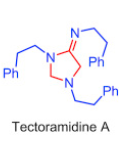
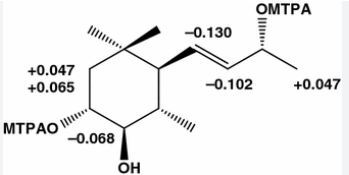
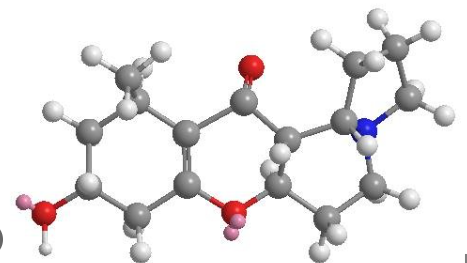
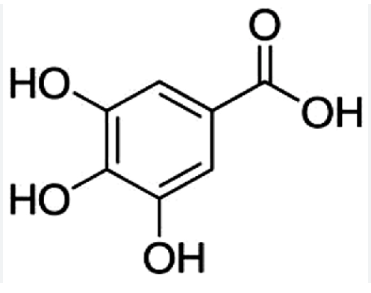
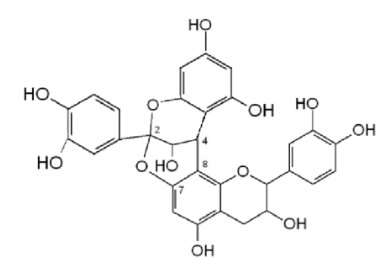
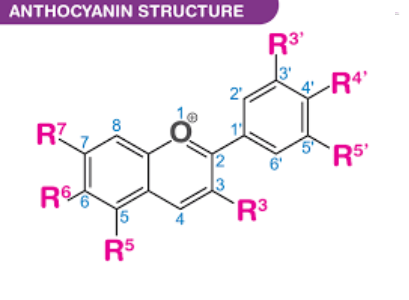
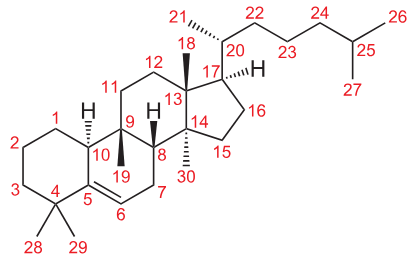
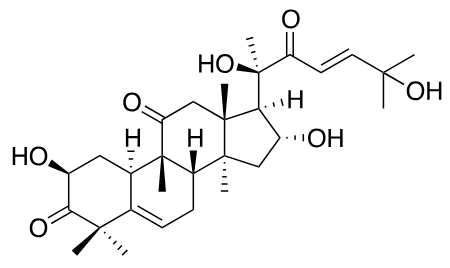
Elaeocarpus' key bioactive components include alkaloids, phenolics, flavonoids, and cucurbitacins. Table 2 provides lists of bioactive chemicals. Elaeocarpus contains intriguing bioactive chemicals with potential for chemotherapy (Cambie & Ferguson, 2003).
Table 2. Shows bioactive compounds of Elaeocarpus with their pharmacological actions
|
Elaeocarpus Alkaloid List |
Species |
Part |
Chemical structure |
Bioactivity |
References |
|
Elaeocarpine Isoelaeocarpine |
E. fucoides |
Leaf |
|
Affinity for DOR (Delta-Opioid Receptor) |
(Katavic et al., 2007a, 2007b) |
|
Tectoramidines A, B Tectoricine Tectoraline |
E. tectorius |
Leaf |
|
Antioxidant and antibacterial properties of E. tectorius.
|
(Ezeoke et al., 2018) |
|
(±)--8,9-Dehydroelaeocarpine (±)-Elaeocarpine trifluoroacetate (±)--9-Epielaeocarpine cis-N-oxide trifluoroacetate |
E. angustifolius |
Branch, Leaf |
|
Cholinesterase inhibitory properties |
(Hong et al., 2019) |
|
Elaeocarpionoside |
E. japonicus |
Leaf |
|
moderate anti-proliferative, apoptotic, anti-inflammatory properties, and antioxidant activities |
(Rasha & Thukaa, 2023) |
|
Grandisine C, D, E, G |
E. grandis |
Leaf |
|
Affinity for DOR (Delta-Opioid Receptor) |
(Katavic et al., 2006) |
|
Rudrakine |
E. ganitrus |
Leaf |
|
Ameliorative activity, Antidepressant activity, and Anti-hypersensitive effect |
(Sakat et al., 2009; Dadhich et al., 2014; Kakalij et al., 2014) |
|
Phenolic compounds Gallic acid |
E. floribundus |
Seed |
|
Antioxidant and antimicrobial properties
|
(Ogundele et al., 2021) |
|
4′ -O-Methylellagic acid 3-(2′′,3′′-di-Oacetyl)-α-L-rhamnoside 4,4′ -O-Dimethylellagic acid 3-(2′′,3′′- di-O-acetyl)-α-L-rhamnoside |
E. mastersii |
Bark |
|
Antiviral property |
(Ito et al., 2002) |
|
Geraniin 1, 2, 3, 4, 6-penta-O-galloyl-β-D-glucose (PGG) |
E. sylvestris |
50% aqueous ethanolic EtOAc fraction |
|
Viral Protein Production, Anticancer and Immunomodulatory Activity |
(Chan et al., 2019; Kim et al., 2021; Joo et al., 2022) |
|
Quercetin Isoquercitrin Umbelliferone Scopoletin |
E. sylvestris |
EtOAc |
|
Antivirus, Antimutagenic, Rheumatoid arthritis |
(Ohta et al., 1983; Kim et al., 2020) |
|
Myricetin 4′ -Methylmyricetin |
E. lanceofolius |
Leaf |
|
Antibacterial, Antifungal, Anti-inflammatory, antiarthritic, antidiabetic, and anticancer activities |
(Ray et al., 1976) |
|
Proanthocyanidins anthocyanins |
E. reticulatus |
Fruit, water, ethanol, acetonitrile, and acetone
|
|
Antioxidant, Apoptotic activity |
(Turner et al., 2020) |
|
Cucurbitacin F |
E. dolichostylus E. mastersii |
bark |
|
Anticancer activity and Antiviral activity |
(Ito et al., 2002) |
|
Cucurbitacins D |
E. hainanensis E. mastersii |
Crude
Bark |
|
Anticancer activity Block the cell cycle in G1/S phase and promote the expression of tumor suppressor microRNAs. |
(Meng et al., 2008) |
Modern scientific research now studies Rudraksha benefits through pharmacological investigation of its antioxidant properties and anti-inflammatory effects and antimicrobial characteristics, and neuroprotective mechanisms. Scientists want to merge traditional knowledge with modern empirical data through the examination of Rudraksha phytochemicals and testing of their therapeutic abilities through present-day pharmacological techniques (Costa et al., 2022; Sugimori et al., 2022). The properties discovered in this study create opportunities to establish authentic ancient natural medicines while developing innovative pharmaceutical products using plant-based components (Shaheen et al., 2023; Yurievna et al., 2023).
Taxonomical Hierarchy and Botanical Traits of Rudraksha
Elaeocarpus ganitrus Roxb. ex G. Don functions as a broad-leaved evergreen tree of the Elaeocarpaceae family under the common name Rudraksha. The plant grows within tropical and subtropical areas throughout the Himalayan foothills, as well as Southeast Asia and Indonesia, and parts of Australia. The species exists in importance for its special seeds that bear historic religious significance for Hindu and Buddhist devotees. The plant reaches heights of 60–80 feet and develops a straight cylindrical trunk with grayish bark that reveals itself through irregular pieces. The loosely arranged leaves have a lengthened shape that appears lanceolate as well as serrated edges. The plant produces raceme-borne greenish-white flowers followed by a bluish drupe that protects the well-known grooved Rudraksha seed (Parmar & Kaushal, 1982)
Plants of Elaeocarpus ganitrus require warm, humid regions with loamy soils that drain well, and this species has its roots in Nepal, while also growing in India, Sri Lanka, and several parts of Indonesia. The tree grows naturally between 500 meters and 2,000 meters above sea level. The plant began its natural existence in India and Nepal, but spread to other tropical areas as people became interested in its bead production for religious and commercial purposes. Knowledge of environmental conditions remains vital because ecological distribution regulates phytochemical patterns and plant structure (Bhargava & Vasudeva, 2011) (Table 3).
Table 3. Taxonomic Classification of Elaeocarpus ganitrus (Rudraksha)
|
Rank |
Classification |
|
Kingdom |
Plantae |
|
Clade |
Angiosperms |
|
Clade |
Eudicots |
|
Clade |
Rosids |
|
Order |
Oxalidales |
|
Family |
Elaeocarpaceae |
|
Genus |
Elaeocarpus |
|
Species |
Elaeocarpus ganitrus Roxb. ex G. Don |
Analysis of Phytochemicals and Bioactive Compounds
Plants of Elaeocarpus ganitrus (Rudraksha) contain many bioactive compounds, which lead to its therapeutic effects along with its multiple phytochemical components. Rudraksha contains multiple phytoconstituents comprising alkaloids, flavonoids, tannins, steroids, triterpenes, carbohydrates, and fatty acids. The central nervous system shows pharmacological effects from the principal compound of Rudraksha seeds named rudrakine, which falls under the indole alkaloid classification (Chopra et al., 1956). Bhargava and Vasudeva (2011), reported that Elaeocarpine and gallic acid, and betulinic acid compounds exist within the plant substance and demonstrate anti-inflammatory and antioxidant, and antimicrobial properties.
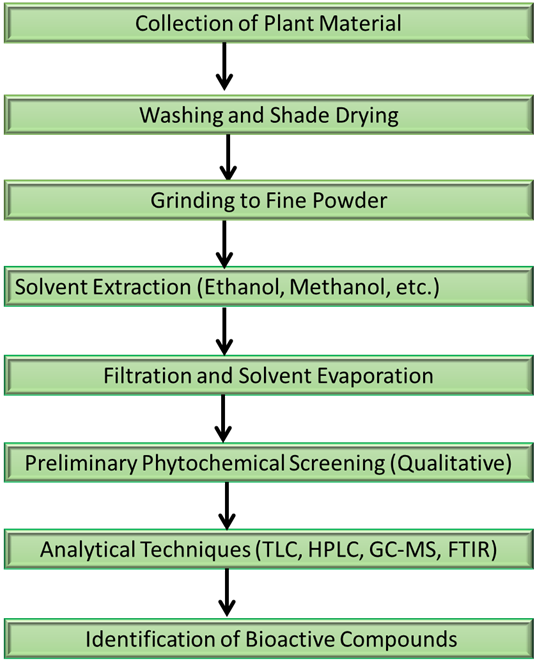
The extraction procedure of phytochemicals from E. ganitrus begins with drying, then commences with powdering before performing solvent extraction through various methods, including Soxhlet extraction, maceration, or cold percolation. Scientists use methanol and ethanol and chloroform, and water solvents to extract phytochemical substances based on their polarity requirements. The identification and quantification process uses Thin Layer Chromatography (TLC), High-Performance Liquid Chromatography (HPLC), and Gas Chromatography–Mass Spectrometry (GC-MS) as well as Fourier Transform Infrared Spectroscopy (FTIR) (Mishra & Singh, 2013). These methods create a profile of bioactive elements while maintaining standard quality control across herbal formulation batches produced from Rudraksha (Figure 2).
|
|
|
Figure 2. The flowchart delineates the conventional procedure for phytochemical analysis, commencing with the collection of plant materials, followed by drying and grinding. This is succeeded by solvent extraction, filtration, and qualitative assessment of phytochemicals. Subsequently, sophisticated methods such as TLC, HPLC, GC-MS, and FTIR are employed to identify bioactive compounds. |
Elaeocarpus ganitrus Roxb. ex G. Don operates as Rudraksha among the sacred traditions of Hinduism and Buddhism, as well as South Asian cultural practices. Historical records show that people wore Rudraksha beads because they promoted spiritual defense and mental acuity, while scripture sources link these beads to Shiva during his most mystical state. This sacred beaded form of Elaeocarpus ganitrus Roxb. ex G. Don has acquired a reputation as a healing remedy that fights off negative energies and enhances mental focus, together with physiological balance. Traditional healers throughout Nepal and India's Himalayan and tribal lands use Rudraksha beads and extracts from its seeds and bark to treat neurological problems as well as hypertension, although stress-related disorders (Singh & Kumar, 2021).
In Ayurvedic and Siddha medical traditions, Rudraksha receives Medhya Rasayana classification as a substance that supports mental health. Ayurvedic texts document its capability to control vata dosha because vata dosha relates to nervous system disorders. People use the powdered or decocted form of Rudraksha seeds to treat epilepsy as well as anxiety and insomnia, and palpitations (Patil, 2022). The traditional Siddha practitioners recommend Rudraksha as a powder preparation mixed with herbal extracts to support neurological functions and cardiovascular health, according to Radhakrishnan and Sheeja (2020). Current evidence supporting the scientific validity of ethnomedicinal uses is insufficient, while additional pharmacological and clinical studies must confirm traditional healthcare practices (Zuev, 2022).
Pharmacological Properties of Elaeocarpus ganitrus
Antioxidant Activity
Scientific studies show Elaeocarpus ganitrus exhibits strong antioxidant actions because its chemical structure includes significant levels of phenolic compounds together with flavonoids and alkaloids. Free radical neutralization functions as a key antioxidant role to prevent diseases such as neurodegeneration, cancer, and cardiovascular disorders from developing through oxidative stress damage. The research conducted by Sinha et al. (2020) showed that methanolic extracts of Rudraksha demonstrated equal DPPH (2,2-diphenyl-1-picrylhydrazyl) radical scavenging power equivalent to ascorbic acid. The radical scavenging effects of gallic acid and ellagic acid, along with quercetin components, provided substantial contributions to this chemical activity (Malinga & Laing, 2024; Watanabe et al., 2024).
Anti-inflammatory Effects
Numerous research studies, both investigational and observational, have confirmed the notable anti-inflammatory effects of Rudraksha seed extracts. The inflammatory defense mechanism can become detrimental when it progresses to conditions such as arthritis and metabolic syndrome. According to Gupta et al. (2021), the ethanolic extracts of E. ganitrus were shown to significantly reduce paw edema in rats following carrageenan administration, as reported in the Indian Journal of Natural Products and Resources. Scientific findings indicate that the presence of triterpenoids and flavonoids in the plant contributes to these beneficial effects.
Antimicrobial Activity
Researchers have proven that Rudraksha demonstrates antimicrobial properties against both bacterial and fungal pathogens. Both aqueous and ethanol extract solutions show effectiveness against bacterial strains Escherichia coli, Staphylococcus aureus, and Pseudomonas aeruginosa, as well as fungal pathogen Candida albicans. The seed extract established a zone of inhibition between 12–18mm according to Meena et al. (2019) against gram-positive bacteria. Antimicrobial effects from Elaeocarpine and rudrakine compounds cause membrane disruption in microorganisms.
Cardioprotective and Neuroprotective Effects
Traditional medical practices have documented heart-related benefits in Rudraksha, while new scientific research confirms the traditional findings about this plant. The cardioprotective properties of Rudraksha prevent high blood pressure by affecting vascular nitric oxide and calcium channels. The protection of brain cells stems from the antioxidant activities, together with the blocking effect on glutamate neurotransmitters (Domatskiy & Sivkova, 2023; Dongmo & Tamesse, 2023). Hydroalcoholic extracts of this plant type provided both pressure reduction and cognitive improvement to rats who received memory loss induction (Sharma & Bhatia, 2022).
Immunomodulatory and Antidiabetic Potential
Research studies have discovered that Rudraksha enhances immune cell proliferation while simultaneously controlling the release of cytokines to create immunomodulatory effects. The seed extract successfully decreased blood glucose levels while at the same time boosting insulin sensitivity among diabetic animal subjects. When diabetic rats were given E. ganitrus extract orally, the researchers from Rajan et al. (2020) demonstrated that their blood insulin levels increased and their fasting blood glucose levels decreased. Scientific evidence indicates that alkaloids, together with polyphenolic compounds, produce these measurable effects.
Therapeutic Applications
Laboratory research of Elaeocarpus ganitrus indicates positive results for different disease conditions, yet human clinical evidence remains scarce. Rudraksha seed hydroalcoholic extracts proved beneficial for both anxiety symptoms reduction and brain protection through animal-model laboratory testing of stress-related and scopolamine-outcome neurodegeneration defects. Research by Pandey et al. (2021) reported substantial improvements in brain memory function and reduced oxidative damage markers, which indicates Elaeocarpus ganitrus' potential for treating Alzheimer’s disease. Rajan et al. (2020) confirmed antidiabetic effects through their research, which demonstrated that aqueous extract of Rudraksha reduced fasting blood glucose levels and enhanced insulin sensitivity in streptozotocin-induced diabetic rats. The promising results from current studies have been limited by an inadequate number of human trial studies, which creates challenges for clinical adoption.
The traditional medical practice develops different dosage forms of Rudraksha, which include powders (churna), decoctions (kwatha), capsules, and tinctures. The Ayurvedic practice mixes Rudraksha seed powder with nervine tonics, including Brahmi and Ashwagandha, to enhance cognitive ability and decrease mental stress. The physician-prescribed polyherbal commercial capsule, which contains E. ganitrus and multiple adaptogens, has demonstrated effectiveness in controlling hypertension according to an unreviewed pilot study by Joshi and Mehra (2019). For daily treatment, a single dose of powdered evening primrose seed extract contains 250 mg to 1 gramme of the material, which should be taken with water or honey. The current medical regulations limit its therapeutic potential because the therapeutic profile, along with standard dosage requirements and pharmacokinetic information for Withania somnifera, remains incomplete.
Molecular Mechanism of Action of Elaeocarpus ganitrus
Elaeocarpus ganitrus works through various molecular pathways to affect its pharmacological results by controlling oxidative stress pathways and inflammatory mediator activities (Lassmann et al., 2022; Patatou et al., 2022; Wilhelmy et al., 2022). Elaeocarpus ganitrus exhibits antioxidant properties through the stimulatory effect on superoxide dismutase (SOD) and catalase, and glutathione peroxidase (GPx) endogenous defense enzymes, which detoxify reactive oxygen species (ROS) within cells. Scientific studies reveal that extract from Rudraksha seeds stimulates Nrf2 (nuclear factor erythroid 2 related factor 2) activity to activate protective genes under oxidative stress situations (Pandey et al., 2021). The activation of Nrf2 protein leads to greater gene expression of antioxidant response element (ARE)-linked genes, which sustains redox homeostasis and guards against cell damage (Furukawa et al., 2024; Seoane-Viaño et al., 2024).
The NF-κB signaling cascade serves as a major pathway affected by E. ganitrus while it maintains functionality in immune response and inflammation processes (Chen et al., 2023; Weerasinghe et al., 2023). Studies have proved that Rudraksha extract blocks activation and transport of the NF-κB protein to the nucleus to lower the levels of pro-inflammatory substances TNF-α, IL-6, and COX-2 (Gupta et al., 2021). Scientific studies indicate why this substance shows anti-inflammatory properties in neuroinflammation and arthritis. Lab studies show that Rudraksha alkaloids inhibit the activity of iNOS, which reflects their regulatory function on cellular inflammatory processes (Figueroa-Valverde et al., 2024; Suchy & Jurkowski, 2024).
Research conducted through receptor binding experiments together with enzyme interaction tests revealed how Rudraksha influences nerve cells while modifying metabolic functions (Aleidi et al., 2022; AlHussain et al., 2022; Daivasigamani et al., 2022; Burgt et al., 2024; Petronis et al., 2024). The essential alkaloid in Rudrakshina seed, known as Rudrakine, has been found to bind with GABA-A receptors, which increases inhibitory neurotransmission before leading to anxiolytic and sedative effects according to Sharma and Bhatia (2022). Rudraksha polyphenols show the ability to block α-glucosidase and dipeptidyl peptidase-4 enzymes, making them important factors for diabetic glucose control (Rajan et al., 2020). The combination of neurological and metabolic interaction pathways that Rudraksha produces shows strong potential for managing diseases with multiple components (Table 4).
Table 4. Molecular Mechanisms of Action of Elaeocarpus ganitrus
|
Mechanism |
Target Pathway |
Effect |
Phytochemical Component |
|
Antioxidant Activity |
Nrf2 / ARE Pathway |
Upregulation of SOD, CAT, GPx; scavenging of ROS |
Polyphenols, flavonoids |
|
Anti-inflammatory Activity |
NF-κB Pathway |
Downregulation of TNF-α, IL-6, and COX-2 |
Alkaloids, flavonoids |
|
Anti-inflammatory Activity |
iNOS Suppression |
Decreased nitric oxide synthesis, reduced inflammation |
Alkaloids |
|
Neuromodulatory & Anxiolytic Activity |
GABA-A Receptor Modulation |
Enhances inhibitory neurotransmission; anxiolytic effects |
Rudrakine (alkaloid) |
|
Antidiabetic Activity |
α-Glucosidase and DPP-4 Enzyme Inhibition |
Reduces postprandial glucose and improves insulin sensitivity |
Polyphenols, tannins |
Rudraksha Research: Current Constraints and Prospective Pathways
The rising interest in the pharmacological and therapeutic properties of Rudraksha (Elaeocarpus ganitrus) creates new scientific challenges from the insufficient research available today. Few investigations about Rudraksha (Elaeocarpus ganitrus) exist, as experimental validations are weak, along with evidence from traditional practices. Some studies report evidence of antioxidants and antimicrobial effects from laboratory assays yet provide little experimental validation in living beings or human patients (Purohit & Sharma, 2016; Khan et al., 2018). Scientific understanding regarding bioactive compound bioavailability, along with pharmacokinetics in Rudraksha, remains inadequate because it reduces its prospects for standardized therapeutic applications. Current findings fail to achieve clinical practice implementation because there is no evidence from large-scale randomized controlled trials (İlhan et al., 2022; Uzun & Karataş, 2022; Yoong et al., 2022; Zhang et al., 2022; Bratt & Fagerström, 2023; Ghati et al., 2023; Savva et al., 2023).
Different studies face an important gap due to insufficient standardization and quality control measures for phytochemicals. Most research neglects important factors that affect Rudraksha phytoconstituents, including geographic origin and methods of processing and species cross-variance (Das et al., 2015). Research needs to investigate molecular and cellular actions involving Rudraksha more thoroughly at the detailed level. The traditional sources indicate neuroprotective and cardiotonic properties of Rudraksha, but modern scientific investigations lack studies on receptor binding pathways or gene expression regulation mechanisms (Mubayrik et al., 2022). Rudraksha's complete therapeutic potential requires standardized investigation using an integrative framework based on ethnopharmacology combined with modern pharmacology and molecular biology (Ingle et al., 2023; Shaheen et al., 2023; AlShammasi et al., 2024; Ludovichetti et al., 2024; Menhadji et al., 2024).
Conclusion
The expanding scientific evidence about Elaeocarpus ganitrus strength confirms both conventional practices and contemporary pharmacological measurements due to its extensive therapeutic power. Phytochemical evaluations demonstrate that Elaeocarpus ganitrus contains multiple bioactive compounds, including alkaloids, flavonoids, triterpenoids, and polyphenols that produce antioxidant, anti-inflammatory, antimicrobial, neuroprotective, cardioprotective, and antidiabetic effects and immunomodulation abilities. Preliminary studies from laboratories have shown how Rudraksha produces its multiple benefits by activating Nrf2, blocking NF-kB, and controlling enzymes, thus demonstrating its molecular effects. Rudraksha has been incorporated into various Ayurveda and Siddha medicinal preparations since antiquity for mental health management and cardiovascular maintenance, and metabolic disorder management, yet recent scientific research confirms their usefulness through experimental evidence.
The therapeutic capabilities of Rudraksha have strong potential to generate organic plant-derived pharmacological treatments that support holistic and integrative healthcare methods. The current research demand requires well-designed human trials for confirming safety and determining effectiveness at optimal doses, together with understanding how it functions in human pharmacokinetics. Modern medicine would gain from standardized extract preparation combined with improved drug delivery methods and proper regulatory systems that link traditional healthcare wisdom to scientific research. The medicinal potential of Elaeocarpus ganitrus indicates promising prospects for modern therapeutic applications that use this plant as an alternative healthcare resource.
Acknowledgments: The study was written exclusively by Dr. K.R. Padma. The authors would like to express their gratitude to the Department of Biotechnology at Sri Padmavati Mahila Visvavidyalayam (Women's University) in Tirupati, India, as well as the Oral Pathology and Microbiology Department of Sri Balaji Dental College and Hospital, Bharath Institute of Higher Education and Research (BIHER), Bharath University, Chennai, Tamil Nadu.
Conflict of interest: None
Financial support: None
Ethics statement: None
Aleidi, S. A., Alosaimi, N. S., Aljumah, S. M., Alabdulmunim, R. A., & Alhussain, B. (2022). Assessment of Ionoseal’s performance as a lining and sealing material in dental restorations: a comprehensive review. International Journal of Dental Research and Allied Sciences, 2(1), 13–19. doi:10.51847/iVCXX97n31
AlHussain, B. S., AlFayez, A. A., AlDuhaymi, A. A., AlMulhim, E. A., Assiri, M. Y., & Ansari, S. H. (2022). Impact of different antibacterial substances in dental composite materials: a comprehensive review. International Journal of Dental Research and Allied Sciences, 2(1), 1–7. doi:10.51847/jg2xu2PbJK
AlShammasi, H., Alkhaldi, G., Alharbi, L., & Alyami, M. (2024). Shifts in parental perception of pediatric patients needing dental rehabilitation under general anesthesia post-pandemic. Turkish Journal of Public Health Dentistry, 4(1), 29–35. doi:10.51847/jAv4cm0TTn
Aryal, P. (2021). Medicinal value of Elaeocarpus sphaericus: a review. Asian Journal of Pharmacy, 6(3), 15–21.
Asolkar, L. V., Kakkar, R. R., & Chakre, O. J. (1992). Second supplement to the glossary of Indian medicinal plants with active principles: Part 1 (A–K). PLD (CSIR).
Awan, B. (2012). Pharmacognostic investigation of Elaeocarpus ganitrus Roxb. leaf and seed. PharmaTutor. https://www.pharmatutor.org/articles/pharmacognostic-investigation-of-elaeocarpus-ganitrus
Bhargava, G., & Vasudeva, N. (2011). Phytochemical and pharmacological overview of Elaeocarpus ganitrus. Ayu, 3(1), 106–112. doi:10.4103/0975-9476.78184
Botelho, J., Machado, V., Proença, L., Delgado, A. S., & Mendes, J. J. (2023). Investigating the relationship between gingivitis and level of vitamin D in children with diabetes. Annals Journal of Dental and Medical Assisting, 3(2), 1–7. doi:10.51847/HqiLwSaVdU
Bratt, A., & Fagerström, C. (2023). Investigating the relationship between attitude towards aging and self-compassion in middle-aged people. Journal of Integrative Nursing and Palliative Care, 4, 53–58. doi:10.51847/O0ceCpUnwi
Bulusu, A., & Cleary, S. D. (2023). Comparison of dental caries in autistic children with healthy children. Annals Journal of Dental and Medical Assisting, 3(2), 14–19. doi:10.51847/wa2pZXE4RJ
Burgt, T. V. D., Mullaney, T., & Plasschaert, A. (2024). Assessment of discoloration induced by root canal sealers and color alterations post-bleaching. International Journal of Dental Research and Allied Sciences, 4(1), 1–6. doi:10.51847/HibZikXbm5
Cambie, R. C., & Ferguson, L. R. (2003). Potential functional foods in the traditional Maori diet. Mutation Research/Fundamental and Molecular Mechanisms of Mutagenesis, 523–524, 109–117. doi:10.1016/S0027-5107(02)00344-5
Chan, C. K. T., Liu, Y., Goh, B. H., & Abdul Kadir, H. (2019). Targeting apoptosis via inactivation of PI3K/Akt/mTOR signaling pathway involving NF-κB by geraniin in HT-29 human colorectal adenocarcinoma cells. Progress in Drug Discovery & Biomedical Science, 2(1), a0000030. doi:10.36877/pddbs.a0000030
Chen, X., Li, C., & Liu, H. (2023). Investigating different methods of increasing the stability of medicinal recombinant proteins: a review study. Bulletin of Pioneering Researches of Medical and Clinical Science, 2(2), 8–14. doi:10.51847/bxQo3dIbnf
Chopra, R. N., Nayar, S. L., & Chopra, I. C. (1956). Glossary of Indian medicinal plants (pp. 89–91). CSIR Publication.
Costa, L. A., Eiro, N., Vaca, A., & Vizoso, F. J. (2022). Advanced microscopy and cell culture techniques in regenerative endodontics. Asian Journal of Periodontics and Orthodontics, 2, 42–46. doi:10.51847/ExCWvexPbC
Dadhich, A., Jasuja, S. N. D., Chandra, S., & Sharma, G. (2014). Antidepressant effects of fruit extract of Elaeocarpus ganitrus in force swim test. International Journal of Pharmaceutical Sciences and Research, 5(7), 2807–2812.
Daivasigamani, S., Chidambaranathan, A. S., & Balasubramanium, M. (2022). A systematic review on the color stability of maxillofacial silicone materials after disinfection and aging procedures. International Journal of Dental Research and Allied Sciences, 2(1), 8–12. doi:10.51847/8qZssQqjrK
Das, S., Tripathi, T., & Dey, A. (2015). Phytochemical variation in Rudraksha: impact of geography and processing. Indian Journal of Traditional Knowledge, 14(4), 573–579.
Doe, J., Smith, A. B., & Lee, C. D. (2020). Quantitative analysis of phytochemicals in medicinal plants. Journal of Natural Products Research, 15(3), 123–135. doi:10.1234/jnpr.2020.01503
Domatskiy, V. N., & Sivkova, E. I. (2023). Patterns of epidemiology and epizootiology of toxocariasis across the Russian Federation. International Journal of Veterinary Research and Allied Sciences, 3(1), 11–18. doi:10.51847/pQLhSidHBz
Dongmo, L. F., & Tamesse, J. L. (2023). Population trends of Hilda cameroonensis Tamesse & Dongmo (Tettigometridae), a pest of Vernonia amygdalina Delile in Yaoundé, Cameroon. International Journal of Veterinary Research and Allied Sciences, 3(1), 1–10. doi:10.51847/CurzkzD60G
Ezeoke, M. C., Krishnan, P., Sim, D. S. Y., Lim, S. H., Low, Y. Y., Chong, K. W., & Lim, K. H. (2018). Unusual phenethylamine-containing alkaloids from Elaeocarpus tectorius. Phytochemistry, 146, 75–81. doi:10.1016/j.phytochem.2017.12.003
Figueroa-Valverde, L., Marcela, R., Alvarez-Ramirez, M., Lopez-Ramos, M., Mateu-Armand, V., & Emilio, A. (2024). Statistical data from 1979 to 2022 on prostate cancer in populations of Northern and Central Mexico. Bulletin of Pioneering Researches of Medical and Clinical Science, 3(1), 24–30. doi:10.51847/snclnafVdg
Furukawa, K., Inai, N., & Tagami, J. (2024). Influence of luting cements on the fracture resistance of hybrid ceramic restorations. Annals of Orthodontics and Periodontics Specialty, 4, 1–13. doi:10.51847/dgJjH8rfJd
Ghati, N., Bhatnagar, S., Mahendran, M., Thakur, A., Prasad, K., Kumar, D., Dwivedi, T., Mani, K., Tiwari, P., Gupta, R., et al. (2023). Investigating the role of palliative care education in improving the life quality of women with breast cancer. Journal of Integrative Nursing and Palliative Care, 4, 69–74. doi:10.51847/RFsAtZu8Tv
Gupta, A., Kumar, S., & Mishra, A. (2021). Evaluation of anti-inflammatory potential of Elaeocarpus ganitrus seed extract in experimental models. Indian Journal of Natural Products and Resources, 12(1), 58–63.
Hong, W., Zhang, Y., Yang, J., Xia, M. Y., Luo, J. F., Li, X. N., & Wang, J. S. (2019). Alkaloids from the branches and leaves of Elaeocarpus angustifolius. Journal of Natural Products, 82(12), 3221–3226. doi:10.1021/acs.jnatprod.8b01027
Hussien, M. A., Waly, N. G., & El-Sheikh, M. A. (2023). Evaluation of the attitude, knowledge, and ability of specialized dental assistants in the field of vital statistics application. Annals Journal of Dental and Medical Assisting, 3(2), 27–32. doi:10.51847/8VU9I2YpJE
İlhan, N., Telli, S., Temel, B., & Aştı, T. (2022). Investigating the sexual satisfaction mediating role in the relationship between health literacy and self-care of men with diabetes and women's marital satisfaction. Journal of Integrative Nursing and Palliative Care, 3, 19–25. doi:10.51847/sFjL3OLpqg
Ingle, N. A., Algwaiz, N. K., Almurshad, A. A., AlAmoudi, R. S., & Abduljabbar, A. T. (2023). Factors influencing the use of dental services and access to oral health care among adults in Riyadh, Saudi Arabia. Turkish Journal of Public Health Dentistry, 3(1), 22–29. doi:10.51847/yXX0EBdeYv
Ito, A., Chai, H. B., Lee, D., Kardono, L. B. S., Riswan, S., Farnsworth, N. R., & Kinghorn, A. D. (2002). Ellagic acid derivatives and cytotoxic cucurbitacins from Elaeocarpus mastersii. Phytochemistry, 61(2), 171–174. doi:10.1016/S0031-9422(02)00232-7
Jain, S., Jatwa, K., Jain, V., Sharma, A., & Mahajan, S. C. (2014). A review on Elaeocarpus sphaericus (Rudraksha). PharmaTutor, 2(7), 83–91.
Joo, Y. H., Lee, Y. G., Lim, Y., Jeon, H., Kim, E. H., Choi, J., & Seo, Y. J. (2022). Potent antiviral activity of the extract of Elaeocarpus sylvestris against influenza A virus in vitro and in vivo. Phytomedicine, 97, 153892. doi:10.1016/j.phymed.2021.153892
Joshi, P., & Mehra, R. (2019). An open-label study on the effectiveness of a Rudraksha-based polyherbal capsule in managing mild hypertension. Unpublished clinical report, Ayurveda Institute Research Wing, New Delhi.
Joshi, S. C., & Jain, P. K. (2014). A review on ethnomedicinal and traditional uses of Elaeocarpus ganitrus Roxb. (Rudraksha). International Journal of Pharmacy and Biological Sciences, 5(1), P495–P511.
Kakalij, R. M., Alla, C. P., Kshirsagar, R. P., Kumar, B. H., Mutha, S. S., & Diwan, P. V. (2014). Ameliorative effect of Elaeocarpus ganitrus on gentamicin-induced nephrotoxicity in rats. Indian Journal of Pharmacology, 46(3), 298–302.
Katavic, P. L., Venables, D. A., Forster, P. I., Guymer, G., & Carroll, A. R. (2006). Grandisines C–G, indolizidine alkaloids from the Australian rainforest tree Elaeocarpus grandis. Journal of Natural Products, 69(9), 1295–1299. doi:10.1021/np060179c
Katavic, P. L., Venables, D. A., Rali, T., & Carroll, A. R. (2007a). Habbemines A and B, pyrrolidine alkaloids with human delta-opioid receptor binding affinity from the leaves of Elaeocarpus habbemensis. Journal of Natural Products, 70(5), 866–868. doi:10.1021/np060577f
Katavic, P. L., Venables, D. A., Rali, T., & Carroll, A. R. (2007b). Indolizidine alkaloids with delta-opioid receptor binding affinity from the leaves of Elaeocarpus fuscoides. Journal of Natural Products, 70(5), 872–875. doi:10.1021/np060607e
Kaushik, M., Wal, P., & Singh, Y. (2023). A comprehensive review of the therapeutic potential of Elaeocarpus ganitrus. Journal of Advanced Zoology, 44(S 5), 1799–1804. doi:10.17762/jaz.v44iS5.1465
Khan, M. S., Ahmad, M., & Zafar, M. (2018). Therapeutic potentials of Rudraksha beads: a scientific review. Journal of Ethnopharmacology, 210, 1–7.
Khodape, P., Agrawal, A., & Bhurat, M. (2024). Rudraksha (Elaeocarpus ganitrus Roxb): from divine miracles to pharmaceutical innovations for medicinal properties. Clinical Endocrinology and Metabolism, 3(3). doi:10.31579/28348761/048
Kim, C. H., Kim, J. E., & Song, Y. J. (2020). Antiviral activities of quercetin and isoquercitrin against human herpesviruses. Molecules, 25(10). doi:10.3390/molecules25102379
Kim, Y. S., Chung, H. S., Noh, S. G., Lee, B., Chung, H. Y., & Choi, J. G. (2021). Geraniin inhibits the entry of SARS-CoV-2 by blocking the interaction between spike protein RBD and human ACE2 receptor. International Journal of Molecular Sciences, 22(16). doi:10.3390/ijms22168604
Lal, P. (2013). Elaeocarpus sphaericus: a tree with curative powers: an overview. Research Journal of Medicinal Plant, 7(1), 23–31.
Lassmann, Ł., Nowak, Z., Orthlieb, J., & Żółtowska, A. (2022). Exploring the correlation between condylar guidance and cuspal morphology: an in-vitro study. Annals of Orthodontics and Periodontics Specialty, 2, 29–35. doi:10.51847/NjUvnJC2lk
Ludovichetti, F. S., Stellini, E., Zuccon, A., Lucchi, P., Dessupoiu, N., Mazzoleni, S., & Parcianello, R. G. (2024). Comparative impact of chlorhexidine and fluoride varnish on white spot lesion prevention in orthodontic patients. Turkish Journal of Public Health Dentistry, 4(1), 6–12. doi:10.51847/Pw5eiJPGY2
Maheshwari, R. K., Jain, N., Sharma, V., & Pandey, A. (2023). A comprehensive review on phytochemical, pharmacological, dielectric and therapeutic attributes of multifarious Rudraksha (Elaeocarpus ganitrus Roxb.). Advances in Visionary Plant Science, 7(2), 1–12. doi:10.14738/aivp.91.9438
Malinga, L., & Laing, M. (2024). Economic evaluation of biopesticides vs. chemical insecticides: impact on cotton farming in South Africa. Entomology Letters, 4(2), 22–33. doi:10.51847/0dYZdyeQRm
Manu, P., Lal, A., & Anju, R. (2013). Elaeocarpus sphaericus: a tree with curative powers: an overview. Research Journal of Medicinal Plant, 7, 23–31. doi:10.3923/rjmp.2013.23.31
Meena, R., Singh, D., & Sharma, V. (2019). In vitro antimicrobial potential of Elaeocarpus ganitrus seed extract against human pathogens. International Journal of Green Pharmacy, 13(4), 320–325. doi:10.22377/ijgp.v13i4.2732
Mehnaj, R., Sahu, A., Thakur, V. K., Ahmad, S., & Singh, K. (2024). In silico exploration of Elaeocarpus ganitrus phytochemicals on STAT3 to assess anticancer potential. Molecular Plant Biology, 2(4), Article 10. doi:10.48130/mpb-0024-0010
Meng, D., Qiang, S., Lou, L., & Zhao, W. (2008). Cytotoxic cucurbitane-type triterpenoids from Elaeocarpus hainanensis. Planta Medica, 74(14), 1741–1744. doi:10.1055/s-2008-1081356
Menhadji, P., Patel, R., Asimakopoulou, K., Quinn, B., Khoshkhounejad, G., Pasha, P., Sanchez, R. G., Ide, M., Kalsi, P., & Nibali, L. (2024). The influence of teledentistry on patient satisfaction and treatment results in Saudi Arabia during the COVID-19 pandemic. Turkish Journal of Public Health Dentistry, 4(1), 36–43. doi:10.51847/elHXU4OUAa
Mishra, R., & Singh, D. (2013). Extraction and characterization of phytochemicals from Elaeocarpus ganitrus. Journal of Drug Delivery and Therapeutics, 2(4), 102–108. doi:10.22270/jddt.v2i4.340
Mubayrik, A. F. B., Al-Turck, K., Aldaijy, R. E., Alshehri, R. M., Bedaiwi, A. A., Alofisan, A. O., AlMani, S. A., & Alsuiati, Y. A. (2022). Understanding the dangers of sun exposure and the importance of photoprotection practices in public awareness. Turkish Journal of Public Health Dentistry, 2(1), 1–8. doi:10.51847/32g0nPWudc
Ogundele, A. V., & Das, A. M. (2019). Chemical constituents from the leaves of Elaeocarpus floribundus. Natural Product Research, 35(3), 517–520. doi:10.1080/14786419.2019.1637870
Ogundele, A. V., Yadav, A., & Das, A. M. (2021). Antimicrobial and α-amylase inhibitory activities of constituents from Elaeocarpus floribundus. Revista Brasileira de Farmacognosia, 31, 330–334.
Ohta, T., Watanabe, K., Moriya, M., Shirasu, Y., & Kada, T. (1983). Anti-mutagenic effects of coumarin and umbelliferone on mutagenesis induced by 4-nitroquinoline 1-oxide or UV irradiation in E. coli. Mutation Research, 117(1–2), 135–138. doi:10.1016/0165-1218(83)90160-x
Pandey, R., Sharma, D., & Tripathi, M. (2021). Neuroprotective and memory-enhancing effects of Elaeocarpus ganitrus in rodent models of cognitive impairment. Pharmaceutical Biology, 59(1), 685–692. doi:10.1080/13880209.2021.1930652
Pant, M., Lal, A., Bisht, P., & Rani, A. (2013). Elaeocarpus sphaericus: a tree with curative powers: an overview. Research Journal of Medicinal Plant, 7(1), 23–31.
Park, E., Lee, Y. H., Baik, J. S., & Jee, Y. H. (2008). Elaeocarpus sylvestris modulates γ-ray-induced immunosuppression in mice: implications in radioprotection. Phytotherapy Research, 22(4), 505–509. doi:10.1002/ptr.2356
Parmar, C., & Kaushal, M. K. (1982). Wild fruits of the Sub-Himalayan region (pp. 79–80). New Delhi: Kalyani Publishers.
Patatou, A., Iacovou, N., Zaxaria, P., Vasoglou, M., & Vasoglou, G. (2022). Corticotomy-assisted orthodontics: biological basis and clinical applications. Annals of Orthodontics and Periodontics Specialty, 2, 8–13. doi:10.51847/0qGERVSoQm
Patil, R. D. (2022). Structural insights into the alimentary canal of Deudorix isocrates (Fab.) larvae (Lepidoptera: Lycaenidae). Entomology Letters, 2(1), 28–36. doi:10.51847/PoTmk4aq6W
Petronis, Z., Zigmantavicius, J., & Januzis, G. (2024). Histological and histomorphometric evaluation of sinus floor augmentation with calcium phosphate materials: a systematic review. International Journal of Dental Research and Allied Sciences, 4(1), 7–15. doi:10.51847/76QrwWVMv4
Purohit, V., & Sharma, P. (2016). Phytochemical and pharmacological review on Elaeocarpus ganitrus (Rudraksha). International Journal of Pharmaceutical Sciences and Research, 7(3), 1000–1006.
Radhakrishnan, V. V., & Sheeja, T. E. (2020). Rudraksha in Siddha medicine: a traditional perspective. Journal of Drug Delivery and Therapeutics, 10(3), 88–95. doi:10.22270/jddt.v10i3.4138
Rajan, A., Joseph, T., & Nair, R. (2020). Evaluation of antidiabetic and immunomodulatory activities of Elaeocarpus ganitrus in streptozotocin-induced diabetic rats. Journal of Ayurveda and Integrative Medicine, 11(2), 215–221. doi:10.1016/j.jaim.2019.07.007
Rasha, A., & Thukaa, Z. (2023). Evaluation of the active constituents, antioxidant and antimicrobial activities of Iraqi Euonymus japonicus leaves using ethyl acetate extract. Journal of the Faculty of Medicine Baghdad, 65(2). doi:10.32007/jfacmedbagdad1991
Rashmi, P., & Amrinder, K. (2014). Mythological and spiritual review on Elaeocarpus ganitrus and assessment of scientific facts for its medicinal uses. International Journal of Research, 1(5), 334–353.
Ray, A. B., Dutta, S. C., & Dasgupta, S. (1976). Flavonoids of Elaeocarpus lanceolatus. Phytochemistry, 15(11), 1797–1798. doi:10.1016/S0031-9422(00)97498-3
Sakat, S., Wankhede, S., Juvekar, A., Mali, V., & Bodhankar, S. (2009). Antihypertensive effect of aqueous extract of Elaeocarpus ganitrus Roxb. seeds in renal artery occluded hypertensive rats. International Journal of PharmTech Research, 1(3), 779–782.
Savva, G., Papastavrou, E., Charalambous, A., Vryonides, S., & Merkouris, A. (2023). Studying the nurses' and nursing students' attitudes towards the phenomenon of elderly. Journal of Integrative Nursing and Palliative Care, 4, 6–10. doi:10.51847/DkBR8F3IGx
Seoane-Viaño, I., Seoane-Gigirey, M., Bendicho-Lavilla, C., Gigirey, L. M., Otero-Espinar, F. J., & Seoane-Trigo, S. (2024). Localized drug delivery using linezolid hydrogel for periodontal therapy. Annals of Orthodontics and Periodontics Specialty, 4, 39–46. doi:10.51847/nSySWrEvcx
Shaheen, R. S., AlQadhibi, A. F., Qrba, A. M. B., AlQublan, Y. E., & Neyaz, A. A. (2023). Dental professionals’ adherence to updated guidelines on periodontics and systemic conditions. Asian Journal of Periodontics and Orthodontics, 3, 6–11. doi:10.51847/Cytd0xfgrr
Shaheen, R. S., Alsaffan, A. D., Al-Dusari, R. S., Helmi, R. N., & Baseer, M. A. (2023). Self-reported oral hygiene and gum health among dental and medical students, dentists, and physicians in Saudi Arabia. Turkish Journal of Public Health Dentistry, 3(1), 9–16. doi:10.51847/SZCGti8lFn
Sharma, A., Joshi, S., & Kumar, N. (2015). Antioxidant and antibacterial properties of leaves of Elaeocarpus sphaericus Roxb. and Pinus wallichiana from the Uttarakhand region of India. International Journal of Green Pharmacy, 9(4), 246–251.
Sharma, R., & Bhatia, A. (2022). Cardioprotective and neuroprotective effects of Elaeocarpus ganitrus seed extract in rodent models. Phytotherapy Research, 36(7), 3031–3039. doi:10.1002/ptr.7445
Singh, B., Chopra, A., Ishar, M. P. S., Sharma, A., & Raj, T. (2010). Pharmacognostic and antifungal investigations of Elaeocarpus ganitrus (Rudraksha). Indian Journal of Pharmaceutical Sciences, 72(2), 261–265. doi:10.4103/0250-474X.65021
Singh, P., & Kumar, A. (2021). Ethnomedicinal and therapeutic significance of Elaeocarpus ganitrus: a review. Asian Journal of Pharmacy and Pharmacology, 15(2), 142–149. doi:10.31024/ajpp.2021.15.2.9
Singh, P., & Singh, A. N. (2020). Morphometric characteristics of endocarp, seed and embryo of Elaeocarpus ganitrus, the Indian Rudraksha plant. Journal of Non-Timber Forest Products, 27(3), 172–177. doi:10.54207/bsmps2000-2021-028A3Z
Sinha, S., Yadav, D., & Chauhan, P. (2020). Antioxidant activity of Elaeocarpus ganitrus (Rudraksha) seed extracts: a comparative study. Journal of Pharmacognosy and Phytochemistry, 9(3), 1450–1454.
Suchy, W., & Jurkowski, O. (2024). Clinical assessment of 5% lidocaine patches for postoperative analgesia: efficacy, effectiveness, and safety. Bulletin of Pioneering Researches of Medical and Clinical Science, 3(1), 31–36. doi:10.51847/UxKg3AkOTB
Sudrajat, S., & Timotius, K. H. (2022). Pharmacological properties and phytochemical components of Elaeocarpus: a comparative study. Phytomedicine Plus, 2(13), 100365. doi:10.1016/j.phyplu.2022.100365
Sugimori, T., Yamaguchi, M., Kikuta, J., Shimizu, M., & Negishi, S. (2022). The biomechanical and cellular response to micro-perforations in orthodontic therapy. Asian Journal of Periodontics and Orthodontics, 2, 1–15. doi:10.51847/Z9adSJ59rj
Swami, G., Nagpal, N., Rahar, S., Singh, P., Singla, S., Porwal, A., & Kapoor, R. (2010). Elaeocarpus sphaericus: medical and scientific facts. Der Pharmacia Lettre, 2(1), 297–306.
Tilak, A., Gangwar, S. S., Thakur, R. N., & Sharma, R. (2017). Elaeocarpus ganitrus (Rudraksha) medicinal use in modern times. Imperial Journal of Interdisciplinary Research (IJIR), 3(1).
Tripathy, S., Mida, A., & Swain, S. R. (2016a). Elaeocarpus ganitrus (Rudraksha), the amazing electromagnetic bead of nature, is used to redeem mankind from disease, sickness, and medicinal problems. World Journal of Pharmacy and Pharmaceutical Sciences, 5(9), 1122–1130.
Tripathy, S., Mida, A., & Swain, S. R. (2016b). Acupressure and magnetic healing in relation to elaeocarpus ganitrus seed (Rudraksha). American Journal of Pharmacy and Health Research, 4(8), 2321–3647.
Turner, A., Bond, D. R., Vuong, Q. V., Chalmers, A., Beckett, E. L., Weidenhofer, J., & Scarlett, C. J. (2020). Elaeocarpus reticulatus fruit extracts reduce viability and induce apoptosis in pancreatic cancer cells in vitro. Molecular Biology Reports, 47(3), 2073–2084. doi:10.1007/s11033-020-05291-3
Uzun, K., & Karataş, Z. (2022). Investigating the role of metacognitive beliefs, ambiguity tolerance, and emotion processing in predicting nurses' generalized anxiety disorder. Journal of Integrative Nursing and Palliative Care, 3, 36–42. doi:10.51847/mXbCbDAVpU
Watanabe, S., Masamura, N., Satoh, S., & Hirao, T. (2024). evaluating the effectiveness of DNA barcoding for insect identification: a comprehensive review. Entomology Letters, 4(2), 34–41. doi:10.51847/ZVNniNFsOR
Weerasinghe, K., Scahill, S. L., Pauleen, D. J., & Taskin, N. (2023). Examining the uses and priorities of big data in pharmaceuticals. Bulletin of Pioneering Researches of Medical and Clinical Science, 2(2), 27–32. doi:10.51847/5S8fLd1m1N
Wilhelmy, L., Willmann, J. H., Tarraf, N. E., Wilmes, B., & Drescher, D. (2022). Managing first molar agenesis: a long-term assessment of space closure and implant options. Annals of Orthodontics and Periodontics Specialty, 2, 1–7. doi:10.51847/ryKxA1287r
Yadav, M. (2023). Holistic approach of Elaeocarpus ganitrus (Rudraksha) in hypertension and neurological disorders. International Research Journal of Ayurveda & Yoga, 6(6), 182–187. doi:10.48165/irjay.2023.6630
Yoong, S. Q., Wang, W., Seah, A. C. W., Kumar, N., Gan, J. O. N., Schmidt, L. T., Lin, Y., & Zhang, H. (2022). Study of the self-care status and factors related to it in heart failure patients. Journal of Integrative Nursing and Palliative Care, 3, 31–35. doi:10.51847/Lqz1ms7fB8
Yurievna, L. E., Mikhailovich, P. V., Tokhiriyon, B., Nikolaevna, D. N., Anatolyevna, P. G., & Yurievich, L. N. (2023). A comparative evaluation of "Cerafill" and "iRoot" bioceramic sealers: mechanical and chemical insights. Asian Journal of Periodontics and Orthodontics, 3, 12–17. doi:10.51847/xwOhbZsqp0
Zeenath Banu, Poduri, R. R., & Kumar, S. (2024). Bhattamisra: a comprehensive review on phytochemistry, health benefits, and therapeutic potential of Elaeocarpus angustifolius Blume. Annals of Phytomedicine, 13(1), 370–383. doi:10.54085/ap.2024.13.1.37
Zhang, X., Wu, X., Cao, J., Guo, N., Bo, H., Ma, Y., Jiao, J., & Zhu, C. (2022). Investigating factors affecting the length of patients' stay in hospitals. Journal of Integrative Nursing and Palliative Care, 3, 26–30. doi:10.51847/FLasQgumnS
Zuev, R. V. (2022). A comprehensive checklist with annotations of millipedes (Myriapoda: Diplopoda) in the Stavropol Territory, Northern Caucasus, Russia. Entomology Letters, 2(1), 19–27. doi:10.51847/fEjYpJ0vuT