
Medicinal plants have been widely used for immune system disorders in different cultures and traditional medicine systems around the world from antiquity to the present day. With the discovery of antibiotics, antibiotics cured infections in patients. However, with the overuse of antibiotics, many antibiotics have become ineffective even in simple infections. This has created a serious public health problem today and has increased the importance of the use of medicinal plants. Interest in natural and organic approaches, traditional knowledge and cultural heritage, alternative and complementary therapies, easy accessibility and the potential for fewer side effects are the main reasons for the use of medicinal plants. Some plants contain natural compounds with antioxidant, antimicrobial, anti-inflammatory, immunostimulant, adaptogenic and immune-enhancing properties. The use of medicinal plants based on scientific data briefly tries to determine the therapeutic potential and appropriate use of plants. In this study, plants used effectively on the immune system and diseases were reviewed in the literature and their effects on the immune system were investigated.
Introduction
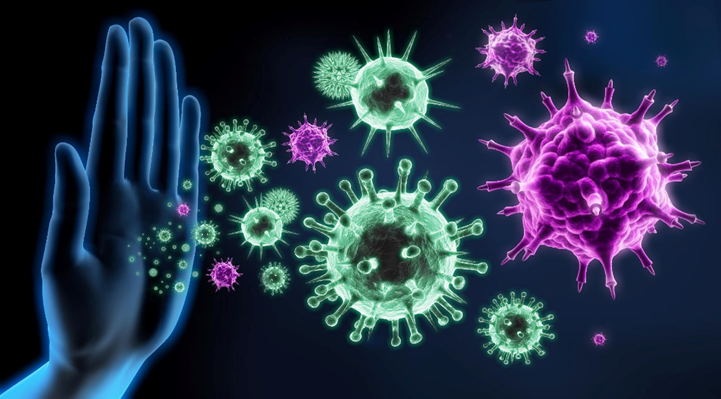
The immune system is a sophisticated network of cells, tissues, and organs that collaborate to defend the body against dangerous chemicals and infections. The primary role is to protect the body against infections, illnesses, and other dangers. While the immune system is generally effective in protecting the body, it can sometimes malfunction. Disorders of the immune system can lead to autoimmune diseases. This is the condition when the immune system targets the body's tissues or immunodeficiency diseases, which weaken the immune system and make the body more vulnerable to infections. It is crucial to keep a robust immune system for general wellness. This study aims to examine the impact of plants on the immune system (Figure 1).
|
|
|
Figure 1. how to optimize your immune system. https://www.news-medical.net |
Immunity and the Immune System
The human ability to protect and defend against pathogenic microorganisms, abnormal cells, and foreign substances is called immunity. The immune system is a collection of organs, tissues, cells, and enzymes united under a single purpose to protect the body. Immunity (immunity) is defined as the host's defense against pathogenic organisms. It consists of a complex network of molecules and cells. The sum of cells, tissues, and molecules that provide the host's defense is called the immune system. The most important physiological function of the immune system is to prevent infections from occurring or to eliminate infections (Centimole, 2022). Our immune system, a complex network of steps and pathways in the body, protects us against harmful microbes and many diseases. It recognizes foreign invaders such as bacteria, viruses, and parasites and takes immediate action. To defend oneself against disease and the outside world, humans have a protection mechanism called immunity or immunity. An immune response occurs when these elements act together against foreign substances for defense. The immune response is mainly a physiological response to infectious microorganisms. However, non-infectious foreign substances can also trigger immune responses. In short, macromolecules such as proteins and polysaccharides that are stimuli for the immune response, and certain chemicals that are considered foreign cause physiological or pathological reactions (Abbas et al., 2019).
Structure and Functioning of the Immune System
Antigen and Antibody
Microorganisms that cause the formation of antibodies when the body enters the body are defined as antigens. When the antigen enters the body, the immune system is stimulated and antibodies are produced, which are specific defense proteins. The Immune system is divided into two; natural immunity and acquired immunity.
Natural immunity is a naturally present and lifelong immunity at birth in an organism consisting of mechanical barriers, physiological barriers, phagocytosis, basophils, mast cells, eosinophils, natural killer cells, and dental cells. Acquired immunity is the immune system that occurs when the cellular response specific to the antigen, which exceeds the natural defense mechanisms, is given by the humoral response and then these cells record this information in their memory (Parija, 2023). Natural immunity, which is present from birth, includes cellular and biochemical defense mechanisms and has no memory and specificity. It responds to each stimulus in the same way. Acquired immunity, which can produce stronger responses than natural immunity and has memory and specificity, is not found at birth. The main components of this type of immunity are lymphocytes and products such as the "antibody" that they synthesize. Molecules that can induce this specific immune response or are the target of such responses are called "antigens." When protective immunity is induced by the host, "active immunity" is involved. In addition, "passive immunity" can be achieved by serum or experimental lymphocyte transfer without host response. For example, the transfer of antibodies from mother to fetus is an example of passive immunity (Parija, 2023). An antigen is any structure that can bind with an antibody. Simple chemicals and sugars can be considered in a range ranging from simple proteins to complex proteins. Some small antigens, although immunogenic, cannot bind to antibodies, called "hapten", which need a carrier to bind themselves in order to mount an immune response. Antibodies recognize a small specific region of antigens, called an "antigenic determinant" or "epitope" The specificity of acquired immunity is based on the fact that lymphocytes express surface receptors that remember parts of antigens known as antigenic epitopes. The surface receptors of B lymphocytes originating from the bone marrow are "immunoglobulin" molecules. These immunoglobulins, if secreted from B cells, are known as "antibodies" Antibodies consist of two heavy and two light protein chains. The heavy chain is larger. Both types of chains have fixed and variable ends It interacts with the antigen with its variable end, and with the other constant end, it interacts with cells carrying immunoglobulin receptors. During the immune response, the "immunocomplex" fixed sites, known as the linked complex between the antigen and antibodies, activate cells by binding to immunoglobulin receptors. There are two basic immune responses in adaptive immunity, which are divided according to their mediators. These are humoral and cellular immunity (Mokhtar et al., 2023).
Humoral immunity is a mechanism based mainly on B lymphocytes. It is regulated by the presence of molecules produced by B lymphocytes in the blood and mucosal secretions. This immunity forms the main defense mechanism against extracellular microbes and toxins (Tsiantoulas et al., 2014).
Cellular immunity is carried out by T lymphocytes. It is an immune system that develops against intracellular pathogens such as viruses and some bacteria and the cells that host them. A foreign antigen is presented to T lymphocytes through antigen server cells (APCs) (Shim et al., 2023).
Immune System Suppression and Consequential Diseases
The increase in the number of organ transplants increases the number of immunocompromised patients due to the emergence and spread of immunosuppressive diseases such as AIDS. Activation of B and T lymphocytes corrects the antigen recognition system of cells and tissues. When this system of the living being is disrupted, antibodies are produced in the wrong place. Antibodies damage cells and tissues; this impairs their function. With the corrected antigen recognition system, the activation of B lymphocytes is produced in such a way that the organism does not damage its proteins. In short, autoimmunity is an immune response to the organism's antigens. Autoimmune disease is a tissue damage or physiological dysfunction caused by an autoimmune response (Sewel, 2013).
Type 1 diabetes occurs as a result of autoimmune disruption of pancreatic β cells. The cause of type 1 diabetes is a lack of insulin.
Addison's disease is an adrenal insufficiency in which the secretion of adrenal steroid hormones such as glucocorticoids (cortisol), mineralocorticoids (aldosterone), and androgens is reduced.
Celiac disease (CD) is an autoimmune, familial disease that develops as a result of sensitivity to gluten in grains and grain products in genetically predisposed individuals, causing characteristic lesions in the small intestine, which is usually malabsorption, and clinical improvement with a gluten-free diet.
Graves' disease is an autoimmune disease, and environmental and genetic factors are thought to be influential in the development of the disease. Most children with GH have a family history of autoimmune thyroid disease.
Multiple sclerosis (MS) is a persistent autoimmune condition that affects the central nervous system. The illness is defined by demyelination, inflammation, and the presence of axonal damage.
Myasthenia gravis (MG) is an autoimmune illness where muscular weakness occurs due to autoantibodies attaching to the postsynaptic area and affecting acetylcholine receptor function. (AChR).
A chronic inflammatory autoimmune disease that involves the joints. Its etiology is not fully explained. It is often seen between the ages of 35 and 45, three times more common in women than in men. Fatigue, weakness, weight loss, sweating and tachycardia are the most common symptoms. Complaints of morning stiffness in the metacarpophalangeal and interphalangeal joints in the hands are typical. Joint complaints are still the most distressing part of the disease and muscle weakness, bursitis, nodules, anemia and leukopenia can also be seen.
Psoriasis is a chronic inflammatory skin condition that affects around 1-3% of the general population and is mediated by T-helper-1 and -17 cells. Psoriasis can affect the skin, nails, and joints and may be linked to several systemic comorbidities such as stroke, cardiovascular issues, diabetes, hypertension, metabolic syndromes, dyslipidemia, and obesity.
Inflammation of the salivary glands can be infectious, traumatic or autoimmune. Sjögren's syndrome is the most common cause of sialadenitis presenting as autoimmune attacks. The primary form of Sjögren's syndrome (pSS) is defined as autoimmune adenitis characterized by lymphocyte and plasma cell infiltration causing hypofunction of the exocrine glands (Matsukawa et al., 2024).
Medicinal Plants
The number in the world is estimated to be one million. According to the World Health Organization (WHO), approximately 20,000 plants are used for medicinal purposes. The number of plants registered in the pharmacopeia is more than 200. The first plant reviews led to scientific scrutiny in later years. In the 18th century, studies were carried out on issues such as drug production and the management of medicinal plants in the field of village plants. It has been used in plant investigation, plant supplementation, plant diseases and plant species research. Although most of the medicines found in the early 20th century had herbal sources, in the mid-1970s there were fewer herbal source forms of these drugs. However, especially after the 1990s, the increase in the use of medicinal plants has led to an increase in interest in these products day by day. Today, the market for medicinal plants is estimated to have an annual figure of 60 billion dollars. Although medicinal plants are used to prevent diseases, cure diseases and maintain a healthier life, it is not possible to define these plants. Medicinal plants are the most important products used for medicinal purposes in pharmaceuticals and perfumery (Gupta et al., 2023).
Immune System and Medicinal Plants
Medicinal plants are natural resources used in the treatment of many diseases. Many plants contain a wide range of chemicals that have important biological effects on humans. Chemicals such as flavonoids, alkaloids, terpenoids, tannins, berberines, quinines, and emetins synthesized by plants are widely used in the treatment of diseases.
Utilizing herbs and products to modulate immune processes is now a recognized treatment strategy. Herbs and minerals have been utilized since ancient times for the treatment of many maladies and diseases. Rasayana treatment is utilized in Indian medicine. Rasayana therapy provides nutrients to enhance longevity, youth, immune system, and overall health. It is known in Ayurveda for its anti-aging effects and benefits for both healthy and sick individuals. Rasayana enhances immunity (Shaik, 2023). It is now acknowledged as immunomodulation. The immune response can serve as an alternative to traditional chemotherapy for various diseases, especially when the host's defense system needs to be activated due to a compromised immune response or when a specific immune suppressor needs to be induced in cases like autoimmune disorders and organ transplants. Plants are used to support treatment with antibiotics or chemotherapeutic drugs and/or in the prophylaxis of infectious diseases (prevention of infectious diseases). A significant part of the plants used as prophylactics (preservatives) have immunostimulant (immune system stimulant) properties and antiseptic (germicidal) properties in another part (Babich et al., 2020).
Immunomodulators
It is defined as substances that have a stimulating or suppressive effect on the immune system by affecting the immune system or have regulatory properties on this system. Through immunomodulation, the resistance of the organism to attacks by internal or external microbes or other infectious agents can be increased. Immunomodulators have many advantages over antimicrobial agents. Since immunomodulators do not directly affect microorganisms, they do not cause rapid development of resistance in microorganisms. In addition, antimicrobial agents are often ineffective in immunosuppressive cases. In this case, immunomodulators gain more importance (Koraganji et al., 2023).
Clinically, immunomodulators can be classified under the following three categories:
Immunoadjuvants are utilized to boost the efficacy of vaccinations and can be classified as particular immunostimulants. They are suggested for selective usage between cellular and humoral helper T1 (Th1) and helper T2 cells (Th2), immunological protective, immunodestruction reactive (immunoglobulin E (IgE)), and within IgG-type immune responses, which offer a significant obstacle to vaccination (Shah et al., 2023).
Immunostimulants are not intrinsically specific; they are believed to enhance the body's ability to fight against infections. They can function via both innate and adaptive immunological responses. Immunostimulants in healthy persons work as preventive and promoter agents, boosting the fundamental immune response. Individuals with immune response disorders are intended to function as immunotherapeutic agents (Kumar et al., 2022).
Immunosuppression refers to the inhibition of the immune system by medications, infections, and other illnesses. Immunosuppressants are a diverse range of medications that are frequently given in combination to treat transplant rejection and autoimmune illnesses. Several medicinal herbs have immunomodulatory effects (Mukherjee et al., 2014).
Studies to assess the efficacy and safety of medicinal herbs help to medically validate traditionally used herbs. These studies investigate whether the herbs are effective in treating specific diseases and whether they have side effects. The therapeutic effects of medicinal plants depend on the active ingredients they contain. Studies are carried out to identify the components of the plants and their pharmacological effects. This helps to understand how the plants work and identify the components that can be used to make them more effective. Active ingredients from medicinal plants can be used in the development of pharmaceutical products. Studies are conducted to determine the formulation and efficacy of drugs derived from herbal sources. In this way, the medicinal use of plants can be made more widespread. Some medicinal plants may have side effects or cause allergic reactions in some people. Studies evaluate the safety profiles of herbs and try to identify possible side effects. The study of medicinal plants can contribute to the discovery of new treatment methods. These studies provide information on how herbs can be used to treat different diseases, develop new treatment options, strengthen the immune system, and can be used to maintain and support health.
With this study, the medical use of medicinal plants is based on a more scientific basis and supports the effectiveness and reliability of the use of plants in the field of health (Table 1).
Some Medicinal Plants
Table 1. Some Medicinal Plants
|
Parts used: |
Flowers and petals |
|
Active ingredients: |
Thiosulfinate (allicin), organosulfur compounds (such as alliin, and methionine), protein (allinase), amino acid (arginine), carbohydrate (fructan), essential and stable fats. |
|
Effect and use:
|
Garlic's strong ability to modulate the immune system is mainly attributed to its polysaccharide content, which controls interferon-g, TNF-a, IL-6, and IL-10 in macrophages. Garlic helps maintain a balanced immune system and immunological responses by regulating the production and growth of cytokine genes. The presence of diallyl trisulfide in garlic boosted T cell proliferation in mice. Garlic's protein component has been found to enhance the ability of macrophages and lymphocytes to kill cells. Aged garlic extract can greatly reduce the prevalence and severity of flu and colds by enhancing the immune system (Moutia et al., 2018) |
|
Side effects: |
liver damage, nausea, vomiting, heartburn, diarrhea, and bleeding. |
|
Contraindications: |
Since it is blood thinner, it should not be taken with anticoagulant drugs that prevent clotting (such as Coumadin, Warfarin, etc.). |
|
Aloe vera |
|
|
Parts used: |
Leaves |
|
Active ingredients: |
Anthraquinone glycosides (such as aloin and aloe-emodin) are present in the leaf and latex, and there is more mucilage in latex. |
|
Effect and use:
|
Two new dihydrocoumarin derivatives have been isolated from Aleo vera and both have been reported to have antioxidant activity as opposed to superoxide and hydroxyl radicals. One chemical enhances the immune system by boosting phagocytic activity and promoting the formation of superoxide anions in peritoneal macrophages during the oxygen respiratory burst (Falaro & Tekle, 2020) |
|
Side effects: |
Decreases absorption by increasing digestion. With chronic use, potassium absorption decreases and increases the effect of cardiac glucocites and antiarrhythmics. |
|
Contraindications: |
The use of thiazide diuretics, corticosteroids and licorice root with it enhances this effect. |
|
Azadirachta indica |
|
|
Parts used: |
flowers, seeds, stem bark, essential oil |
|
Active ingredients: |
oxidized tetranortriterpene |
|
Effect and Use:
|
This herb increases the macrophage response by stimulating the lymphocyte system of the organism as well as the speed at which white blood cells are made. Azadirachta indica oil also acts as a non-specific immunostimulant and selectively activates cellular immune mechanisms to elicit a strong response to subsequent mitogenic and antigenic conditions (Kwawukume et al., 2013) |
|
Side effects: |
Ventricular fibrillation and cardiac arrest (Pasricha et al., 1990) |
|
Contraindications: |
Contraindicated during pregnancy or lactation, or in children under 12 years of age (Awasthy et al., 1999) |
|
Parts used: |
Dried root |
|
Active ingredients: |
Alkaloids, steroidal lactones |
|
Effect and use:
|
An extract from the powdered root of the Withania somnifera plant was discovered to enhance immunological function. Withania extract considerably boosted bone marrow cellularity, as shown by the higher number of alpha-esterase positive cells. Administering Withania extract together with the antigen SRBC resulted in elevated levels of antibodies in the bloodstream and an increased count of plaque-forming cells in the spleen. Withania extract administration also resulted in an enhancement in the phagocytic activity of peritoneal macrophages. The results validate the immunomodulatory effects of W. somnifera extract, a recognized immunomodulator in traditional medicine (The experiment was performed on a mouse) (Davis & Summer, 2002) |
|
Side effects: |
May cause nausea, vomiting, and diarrhea (Upton et al., 2000) |
|
Contraindications: |
Contraindications: Its use during pregnancy or lactation is contraindicated (Bhandari & Kamdod, 2012) |
|
Morus alba (White Mulberry) |
|
|
Parts used: |
Fruits and roots |
|
Active ingredients: |
polyphenols and flavonoids |
|
Effect and Use:
|
Oral administration of Morus alba methanolic extract was done at dosages of 100 mg/kg and 1 g/kg, whereas Ocimum sanctum was employed as the reference medication at a dose of 100 mg/kg orally. The study demonstrated a notable rise in the phagocytic index during the carbon scavenging assay, substantial defense against cyclophosphamide-induced neutropenia, and enhanced adherence of neutrophils in the neutrophil adhesion test. It was concluded that Morus alba improves both humoral immunity and cell-mediated immunity (Widjaja et al., 2022) |
|
Side effects: |
Stomach pain and cramping, nausea, gas and bloating, or constipation |
|
Contraindications: |
contraindicated for those who take antidiabetic drugs. |
|
Curcuma longa |
|
|
Parts Used: |
Roots |
|
Active ingredients: |
Curcumin |
|
Effect and Use:
|
Contains the active ingredient curcumin, which reduces the activation and proliferation of T cells. Turmeric also increases the number of B cells. It has been supported that "Cytokine release and Cytokine Storm", a valuable consideration in viral infections, can be suppressed by curcumin (Ghafouri et al., 2023) |
|
Side Effects: |
Gastric irritation, stomach upset, nausea, diarrhea, allergic skin reactions and antithrombotic effects can be observed. |
|
Contraindications: |
It is contraindicated in pregnant women , nursing mothers, children and the elderly. |
|
Echinacea purpurea |
|
|
Parts Used: |
leafy and flowering above-ground part, root |
|
Active ingredients: |
It contains caffeic acid derivatives (floric, chlorogenic and citric acid) ,alkamides, water-soluble polysaccharides, flavonoids (quercetin and kaemferol) and essential oil (such as borneol, bornyl acetate). |
|
Effect and Use:
|
High molecular weight polysaccharides found in Echinacea have been known to have a general boosting impact on the immune system, especially phagocytosis. It has been found that extract not only strengthens the immune system but also causes increases in hemoglobin level and erythrocyte count (Bundesanzeiger, 1992) |
|
Side Effects: |
Side effects with internal or external use are unknown. In parenteral use, dose-dependent short-term fever, nausea and vomiting may occur, and allergic reactions may occur in some sensitive people. It should not be used for more than 6 weeks. |
|
Contraindications: |
May interact with immunosuppressives. It is appropriate not to use it in autoimmune diseases such as tuberculosis, leukemia and MS because it stimulates immune functions in internal use. Allergic reactions can occur in people who are sensitive to plants of the Asteraceae family. It is also not recommended for infants under 2 years of age (Tarwadi & Agte, 2007) |
|
Emblica Officinalis |
|
|
Parts Used: |
Fruits |
|
Active ingredients: |
Contains ascorbic acid (vitamin C), flavonoids, kaempferol, ellagic acid and gallic acid (Sairam et al., 2002) |
|
Effect and Use:
|
It is a plant with an immunomodulatory effect and an immunosuppressive effect on lymphocyte proliferation It has also been reported that Emblica officinalis, a rich source of vitamin C, increases antibody-dependent cellular cytotoxicity with DKH activities and increases the proliferation activities of killer cells in the spleen by 2 times (Hattori et al., 1983) |
|
Side Effects: |
May cause liver damage. |
|
Contraindications: |
It is contraindicated in people with pregnancy, lactation, bleeding disorders and liver disease. |
|
Glycyrrhiza glabra |
|
|
Parts Used: |
Root |
|
Active ingredients: |
flavonoid, triterpenoid saponin glycyrrhizine (also known as glycyrrhizic acid or glycyrrhizinic acid), coumarins, gums and essential oils (Kaur et al., 2013) |
|
Effect and Use:
|
It has also been reported that the active substances called β-glycyrrhimethic acid and glycyrrhizin contained in Glycyrrhiza glabra have immunmodulatory effects, strengthening the immune system and antioxidant enzyme activity by increasing it, and stimulating immune cells and macrophage functions (Kent et al., 2002) |
|
Side Effects: |
Consuming more than 3 grams of licorice root per day for over 6 weeks or over 100 milligrams of glycyrrhizine per day might lead to salt and water retention, hypertension, and hypokalemia (Woo et al., 2012) |
|
Contraindications: |
Antihypertensive drugs are contraindicated in people taking oral hypoglycemic drugs or insulin. |
|
Parts Used: |
Seed and essential oil |
|
Active ingredients: |
thymoquinone (C10H12O2) |
|
Effect and Use:
|
Thymoquinone makes up 30-48% of black seed seeds. Nigella sativa and thymoquinone have immune-boosting, antihistamine, anti-inflammatory, anti-hypertensive and anti-cancer effects. When Nigella sativa oil and extract are examined in terms of their immunomodulatory effects, it is reported that they have the potential to suppress the humoral immune response and increase the cellular immune response (Wieland et al., 2021). This is caused by significantly decreasing splenocyte and neutrophil numbers and increasing peripheral lymphocytes and monocytes in experimental animals. It has been reported that the beneficial immunomodulatory effect of thymoquinone, the active ingredient contained in nigella sativa oil, is the result of strengthening the immune response through T cells and DKH (Türkmen et al., 2023) |
|
Side Effects: |
There are not many studies in the literature on the possible toxic effects of black seed seeds and components. However, it is thought that it can cause dermatitis (Zaoui et al., 2002) |
|
Contraindications: |
its use during pregnancy and while breastfeeding is contaminated. |
|
Berberis vulgaris |
|
|
Parts Used: |
Fruit and root peels |
|
Active ingredients: |
Berberine and isoquinoline alkaloids. Other major alkaloids include magnoflorin (2.1%), berberine (0.6-1.2%), jatrorrhysine (0.4%), columbamine (0.3%), and oksiakantin (0.04%) (Rahimi-Madiseh et al., 2017) |
|
Effect and Use:
|
The plant's fruit is medically significant because of its antioxidant, anticancer, anti-inflammatory, antidiabetic, antibacterial, and hepatoprotective qualities. Eventually, IL-12 enhanced IFN-g production and reduced IL-4 levels in antigen-primed CD4+ T cells. Berberine enhances the production of cytokines by T helper lymphocyte 1 (Th1) and reduces the Th2 subgroup (Shakeri et al., 2024) |
|
Side Effects: |
nausea, vomiting, and diarrhea |
|
Contraindications: |
Not recommended for those with hypersensitivity or allergy to plant material. |
|
Viscum album |
|
|
Parts Used: |
Fruit and leafy branches. |
|
Active ingredients: |
polyholosides, lectins, viscotoxins, flavonoids, alkaloids, nitrogenous compounds, phenylpropane and lignans and other compounds (Kleszken et al., 2022) |
|
Effect and Use:
|
Viscum album plant inhibits the release of histamine amino acid by leukocytes stimulated for any reason such as allergy etc. stimulates the release of lymphocytes with different lymphocytes neutrophils also activate the superoxide anion production of immunoglobulin-G against lectins through lymphocytes , stimulates T-helper lymphocyte cells and monocytes, in which T lymphocytes double the migration distance by increasing motor activity, in the activation of granulocyte, phagocytic activity, and naturalderivative cells has performed cell tests in which he repairs DNA cells damaged by radiation (Üstüner, 2019) |
|
Side Effects: |
nausea, vomiting, and diarrhea |
|
Contraindications: |
pregnant and lactating women, people with allergies |
|
Sambucus nigra |
|
|
Parts Used: |
Fruits and leaves |
|
Active ingredients: |
Flavonols, phenolic acids, tannins and procyanidins (Ağalar, 2019) |
|
Effect and Use:
|
Specific flavonoid compounds contribute significantly to the immunostimulating effect of elderberry. Flavonoids bind to specific proteins found on the surface of envelope viruses that are necessary for binding and entry into host cells. By preventing the virus from binding to host cells, elderberry inhibits the virus's ability to multiply and develop in the body. A specific effect of elderberry is that it activates a healthy immune system by increasing the production of inflammatory cytokines (IL-1 beta, TNF-alpha, IL-6, IL-8) and the anti-inflammatory cytokine IL-10 (Przybylska-Balcerek et al., 2021) |
|
Side Effects: |
May cause either diarrhea or vomiting. |
|
Contraindications: |
it is contraindicated in people and children who have had organ transplantation (Wieland et al., 2021) |
|
Zingiber Officinale |
|
|
Parts Used: |
Essential oil, roots |
|
Active ingredients: |
Active ingredients: Flavonoids, gingerols, phenolic compounds such as shogaol, vitamin C and B vitamins (Shahrajabian et al., 2019) |
|
Effect and Use:
|
In this study, where the role of ginger in supporting body defenses was seen, a positive increase in the hematological parameters of fish was detected, while at the same time, positive increases in lymphocytes, monocytes and neutrophils, which are the basic elements of the defense system, proved the antioxidant effect of ginger. All essential oils obtained from plants strengthen the immune system by increasing IgG and IgA production (Peterfalvi et al., 2019) |
|
Side Effects: |
Allergic rashes in the form of powder, although it is defined as safe, can lead to symptoms such as burning in the stomach, gas and nausea. It can have adverse effects on people with gallstones (Borges et al., 2020) |
|
Contraindications: |
The use of mutagenic in pregnancy according to some research (Vaneková & Rollinger, 2022) |
|
Vaccinium myrtillus (Blueberries) |
|
|
Parts Used: |
|
|
Active ingredients: |
Anthocyanidins, tannins, alkaloids (myrtine, epimyrtine), phenolic acids and glycosides are present (Vaneková & Rollinger, 2022) |
|
Effect and Use:
|
Antioxidants protect the immune system with substances such as anthocyanin, vitamin C, vitamin E, vitamin A, copper (a very effective immunoformative and anti-bacterial), selenium, zinc, iron (improves immunity by raising the concentration of hemoglobin and oxygen in the blood), especially preventing bacterial and viral infections (KOÇAK et al., 2021) |
|
Side Effects: |
headache or nausea, vomiting, reflux, bloating, gas, diarrhea and constipation |
|
Contraindications: |
It is contaminated for those who can not tolerate salicylates. |
|
Salvia officinalis |
|
|
Parts Used: |
leaves and flowers |
|
Active ingredients: |
Etheric essential oils, Thujon, Cineole, Linalool, Borneol, Salven, carnosol acid, cirsimaritin, Pinen and camphor; tannins, triterpenoids, flavones (Baydar, 2005) |
|
Effect and Use:
|
It acts as a protector against bacterial and viral infections. Considering that diseases usually enter the body through the nose and mouth or through the skin, using sage can strengthen the immune system at the maximum level. Carnosol in the structure of sage has an antioxidant effect due to phenolic components such as carnosic acid and rosmanol (Szczuka, 2019) |
|
Side Effects: |
likely to experience severe allergic symptoms |
|
Contraindications: |
It is contraindicated in pregnant and lactating mothers, and children, in combination with drugs for Alzheimer's disease and diabetes. |
|
Panax quinquefolius |
|
|
Parts Used: |
Pile roots and leaves |
|
Active ingredients: |
Ginsenoside |
|
Effect and Use:
|
Demonstrated strong immunomodulatory effects on both innate and adaptive immunity in healthy mice. Fucoidans extracted from M. pyrifera have strong immuno-boosting properties by influencing various immune cells such as human neutrophils, NK cells, dendritic cells, and T cells, therefore improving their ability to combat viruses and tumors (Pan et al., 2024) |
|
Side Effects: |
It can lead to several side effects such as insomnia, irritability, rapid heart rate, headache and low blood sugar. |
|
Contraindications: |
Is recommended for pregnant or lactating mothers. It is also contaminated in those who use anti-coagulants such as warfarin. It is boxed for people with impaired liver or kidney function. |
Conclusion
Throughout history, people have used various methods and natural remedies to relieve pain and cure diseases. In ancient times, since the development of medicines was not yet so advanced, people tried to relieve pain by using plants and natural substances. While the immune system protects the body from infections, sometimes the immune system can be impaired or weakened. In this case, herbs can play a supportive role and strengthen the immune system. Herbs that increase immunity increase the body's resistance to infections and diseases by supporting the immune system. Regular use of these herbs can help the immune system work more effectively. Rasayana is a term used in traditional Indian medicine called Ayurveda. Rasayana refers to therapeutic herbs and herbal remedies believed to have rejuvenating and regenerating effects. These medicines are used to delay aging, improve health, increase energy, and strengthen mental and physical stamina. Much remains to be done to understand the mechanisms behind these effects and to utilize them as possible therapeutic agents. A systematic approach is needed to identify the active constituents from different medicinal plants and their multifaceted effects, both toxic and beneficial, using modern techniques. A multidisciplinary approach in this direction would be more beneficial. Since Rasayana drugs can affect biological systems in a multidimensional manner, it is equally valuable to study them for other effects such as anti-stress, adaptogenic, and anti-aging activities.
This is a small review of some herbs that support the immune system. However, if you have a serious health problem or chronic illness, herbs alone may not be enough. It is best to use herbs in combination with appropriate medical treatment and supplements, following the doctor's recommendations.
Acknowledgments: We wish to confirm that there are no known conflicts of interest associated with this publication and there has been no significant financial support for this work that could have influenced its outcome. This study was prepared from Zeyneddin Damar’s Research Project Thesis.
Conflict of interest: None
Financial support: None
Ethics statement: None
Abbas, A. K., Lichtman, A. H., & Pillai, S. (2019). Basic immunology: Functions and disorders of the immune system, 6e: Sae-E-Book. Elsevier India.
Ağalar, H. G. (2019). Elderberry (Sambucus nigra L.). InNonvitamin and nonmineral nutritional supplements (pp. 211-215). Academic Press.
Awasthy, K. S., Chaurasia, O. P., & Sinha, S. P. (1999). Prolonged murine genotoxic effects of crude extracted from neem. Phytotherapy Research: An International Journal Devoted to Pharmacological and Toxicological Evaluation of Natural Product Derivatives, 13(1), 81-83.
Babich, O., Sukhikh, S., Prosekov, A., Asyakina, L., & Ivanova, S. (2020). Medicinal plants to strengthen immunity during a pandemic. Pharmaceuticals, 13(10), 313.
Baydar, H. (2005). Tıbbi, aromatik ve keyf bitkileri: bilimi ve teknolojisi. Süleyman Demirel Üniversitesi.
Bhandari, P. R., & Kamdod, M. A. (2012). Emblica officinalis (Amla): A review of potential therapeutic applications. International Journal of Green Pharmacy (IJGP), 6(4).
Borges, D. O., Freitas, K. A. B. D. S., Minicucci, E. M., & Popim, R. C. (2020). Benefits of ginger in the control of chemotherapy-induced nausea and vomiting. Revista Brasileira de Enfermagem, 73(2), e20180903.
Bundesanzeiger, J. (1992). 17, 4805; cited by. Dtsch. Apoth. Ztg, 132, 1406-1408.
Centimole, Z. (2022). The immune system. Drain’s PeriAnesthesia Nursing–E-Book: A Critical Care Approach, 188.
Davis, L., & Summer, E. (2002). There is more to a forest than trees. Research-Virginia Tech. University, VA.
Falaro, T. F., & Tekle, S. T. (2020). Review on pharmacological activities of herbal plants: Aloe vera and Guava. Global Journal of Pharmacology, 14(2), 17-27.
Ghafouri, S. A., Ghaniei, A., Tamannaei, A. E. T., Sadr, S., Charbgoo, A., Ghiassi, S., & Abuali, M. (2023). Evaluation of therapeutic effects of an herbal mixture (Echinacea purpurea and Glycyrrhiza glabra) for treatment of clinical coccidiosis in broilers. Veterinary Medicine and Science, 9(2), 829-836.
Gupta, R., Sharma, P., & Gupta, J. (2023). A Review: In silico study and characterization bioactive compound by using lcms techniques from plant extract. International Journal for Multidisciplinary Research (IJFMR), 5(2).
Hattori, M., Sakamoto, T., Kobashi, K., & Namba, T. (1983). Metabolism of glycyrrhizin by human intestinal flora. Planta Medica, 48(05), 38-42.
Kaur, R., Kaur, H., & Dhindsa, A. S. (2013). Glycyrrhiza glabra: A phytopharmacological review. International Journal of Pharmaceutical Sciences and Research, 4(7), 2470.
Kent, U. M., Aviram, M., Rosenblat, M., & Hollenberg, P. F. (2002). The licorice root derived isoflavan glabridin inhibits the activities of human cytochrome P450S 3A4, 2B6, and 2C9. Drug Metabolism and Disposition, 30(6), 709-715.
Kleszken, E., Purcarea, C., Pallag, A., Ranga, F., Memete, A. R., Miere, F., & Vicas, S. I. (2022). Phytochemical profile and antioxidant capacity of viscum album l. subsp. album and effects on its host trees. Plants, 11(22), 3021.
Koçak, M. Z., Karadağ, M., & Çelikcan, F. (2021). Essential oil composition of Salvia officinalis and Rosmarinus officinalis. Journal of Agriculture, 4(1), 39-47.
Koraganji, D. V., Mounika, A., Sushanth, P., & Kandra, P. (2023). Effect of plant-derived immunomodulators on the immune system. In Nutraceuticals and Functional Foods in Immunomodulators (pp. 109-120). Singapore: Springer Nature Singapore.
Kumar, S., Choubey, A. K., & Srivastava, P. K. (2022). The effects of dietary immunostimulants on the innate immune response of Indian major carp: A review. Fish & Shellfish Immunology, 123(2), 36-49.
Kwawukume, A. A., Aning, K. G., Awuni, J. A., Otsyina, H., & Awumbila, B. (2013). The effects of azadirachta indica (neem) leaf extract on white blood cell count and the immune response of chickens vaccinated with newcastle disease vaccine. International Journal of Current Research, 3(2), 23-31.
Matsukawa, Y., Ikumi, N., Hamada, Y., Seta, N., Aota, K., Azuma, M., Baba, Y., Takada, S., Matsukawa, Y., Ikumi, N., et al. (2024). Immune system diseases. In Internal Medicine for Dental Treatments: Patients with Medical Diseases (pp. 271-294). Singapore: Springer Nature Singapore.
Mokhtar, D. M., Zaccone, G., Alesci, A., Kuciel, M., Hussein, M. T., & Sayed, R. K. (2023). Main components of fish immunity: An overview of the fish immune system. Fishes, 8(2), 93.
Moutia, M., Habti, N., & Badou, A. (2018). In vitro and in vivo immunomodulator activities of allium sativum L. Evidence-Based Complementary and Alternative Medicine, 2018(4), 4984659.
Mukherjee, P. K., Nema, N. K., Bhadra, S., Mukherjee, D., Braga, F. C., & Matsabisa, M. G. (2014). Immunomodulatory leads from medicinal plants. Indian Journal of Traditional Knowledge, 13(2), 235-256.
Pan, D., Xu, L., Chen, P., Miao, L., Tian, Y., Shi, D., & Guo, M. (2024). Panax quinquefolium saponins enhances angiogenesis in rats with diabetes and myocardial infarction. Journal of Ethnopharmacology, 319(17), 117252.
Parija, S. C. (2023). Structure and function of immune system. In Textbook of Microbiology and Immunology (pp. 129-149). Singapore: Springer Nature Singapore.
Pasricha, J. S., Bhaumik, P., & Agarwal, A. (1990). Contact dermatitis due to Xanthium strumarium. Indian Journal of Dermatology, Venereology and Leprology, 56, 319.
Peterfalvi, A., Miko, E., Nagy, T., Reger, B., Simon, D., Miseta, A., Czéh, B., & Szereday, L. (2019). Much more than a pleasant scent: A review on essential oils supporting the immune system. Molecules, 24(24), 4530.
Przybylska-Balcerek, A., Szablewski, T., Szwajkowska-Michałek, L., Świerk, D., Cegielska-Radziejewska, R., Krejpcio, Z., Suchowilska, E., Tomczyk, Ł., & Stuper-Szablewska, K. (2021). Sambucus nigra extracts–natural antioxidants and antimicrobial compounds. Molecules, 26(10), 2910.
Rahimi-Madiseh, M., Lorigoini, Z., Zamani-Gharaghoshi, H., & Rafieian-Kopaei, M. (2017). Berberis vulgaris: Specifications and traditional uses. Iranian Journal of Basic Medical Sciences, 20(5), 569.
Sairam, K. C. H. V., Rao, C. V., Babu, M. D., Kumar, K. V., Agrawal, V. K., & Goel, R. K. (2002). Antiulcerogenic effect of methanolic extract of Emblica officinalis: An experimental study. Journal of Ethnopharmacology, 82(1), 1-9.
Sewel, W. A. (2013). Immunology and immunopathology. In: Cross SS ed, underwood's pathology: A clinical approach, 6nd ed. London: Churchill Livingstone, 133-164.
Shah, S., Famta, P., Tiwari, V., Kotha, A. K., Kashikar, R., Chougule, M. B., Chung, Y. H., Steinmetz, N. F., Uddin, M., Singh, S. B., et al. (2023). Instigation of the epoch of nanovaccines in cancer immunotherapy. Wiley Interdisciplinary Reviews: Nanomedicine and Nanobiotechnology, 15(3), e1870.
Shahrajabian, M. H., Sun, W., & Cheng, Q. (2019). Clinical aspects and health benefits of ginger (Zingiber officinale) in both traditional Chinese medicine and modern industry. Acta agriculturae scandinavica, section b—Soil & Plant Science, 69(6), 546-556.
Shaik, R. B. (2023). Effect of rasayana therapy-A literature review. Avishkara A Monthly Multidisciplinary Scientific Journal on AYUSH and Allied Science, 26-37.
Shakeri, F., Kiani, S., Rahimi, G., & Boskabady, M. H. (2024). Anti-inflammatory, antioxidant, and immunomodulatory effects of Berberis vulgaris and its constituent berberine, experimental and clinical, a review. Phytotherapy Research: PTR, 38(4), 1882-1902.
Shim, J. A., Ryu, J. H., Jo, Y., & Hong, C. (2023). The role of gut microbiota in T cell immunity and immune mediated disorders. International Journal of Biological Sciences, 19(4), 1178.
Szczuka, D. (2019) Sağlık yanlısı özelliklere sahip biyoaktif fitokimyasalların bir kaynağı olarak amerikan ginsengi (panax quinquefolium L.). Besinler, 11(5), 1041.
Tarwadi, K., & Agte, V. (2007). Antioxidant and micronutrient potential of common fruits available in the Indian subcontinent. International Journal of Food Sciences and Nutrition, 58(5), 341-349.
Tsiantoulas, D., Diehl, C. J., Witztum, J. L., & Binder, C. J. (2014). B cells and humoral immunity in atherosclerosis. Circulation Research, 114(11), 1743-1756.
Türkmen, B., Ganimet, Ş., & Öztürk, Y. E. (2023). Çörek otu (Nigella sativa L.), immün sistem ve COVID-19. Beslenme ve Diyet Dergisi, 51(1), 96-102.
Upton, R., Graff, A., & Evans, F. (2000). Ashwagandha root: Withania somnifera: Analytical, quality control, and therapeutic monograph. Santa Cruz, California: American Herbal Pharmacopoeia.
Üstüner, T. (2019). The effects of mistletoe (Viscum album L.) on the physiological properties of some drupetrees in Turkey. Turkish Journal of Agriculture and Forestry, 43(5), 485-491.
Vaneková, Z., & Rollinger, J. M. (2022). Bilberries: Curative and miraculous–A review on bioactive constituents and clinical research. Frontiers in Pharmacology, 13, 909914.
Widjaja, S. S., Rusdiana, R., & Amelia, R. (2022). Curcumin: Boosting the immunity of COVID-19-vaccinated populations. Journal of Advanced Pharmaceutical Technology & Research, 13(3), 187-190.
Wieland, L.S., Piechotta, V., Feinberg, T., Ludeman, E., Hutton, B., Kanji, S., Seely, D., & Garritty, C. (2021). Elderberry for prevention and treatment of viral respiratory illnesses: A systematic review. BMC Complementary Medicine and Therapies, 21(1), 1-15.
Woo, C. C., Kumar, A. P., Sethi, G., & Tan, K. H. B. (2012). Thymoquinone: Potential cure for inflammatory disorders and cancer. Biochemical Pharmacology, 83(4), 443-451.
Zaoui, A., Cherrah, Y., Alaoui, K., Mahassine, N., Amarouch, H., & Hassar, M. (2002). Effects of Nigella sativa fixed oil on blood homeostasis in rat. Journal of Ethnopharmacology, 79(1), 23-26.